Across the expanse of historic epochs,
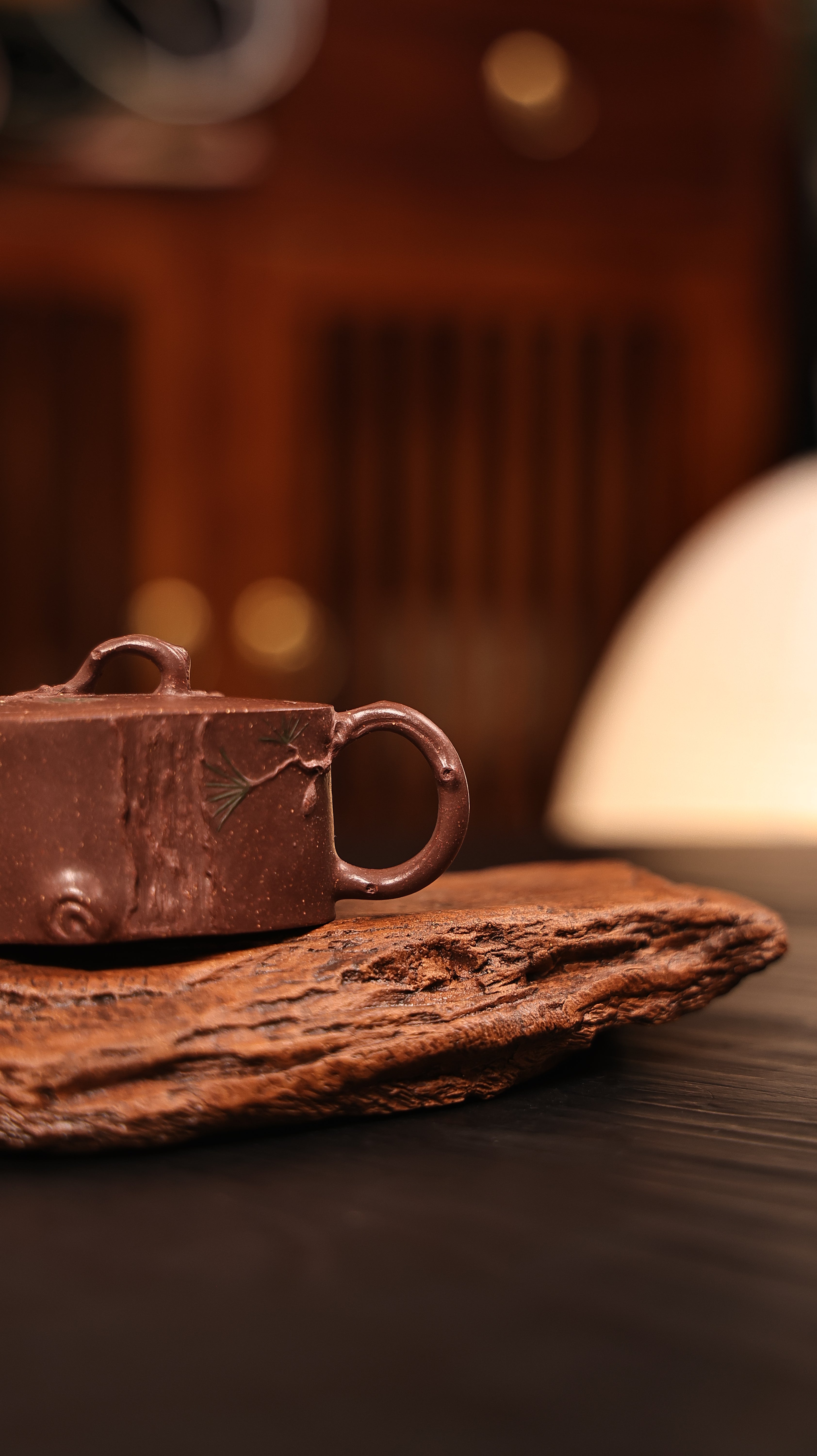
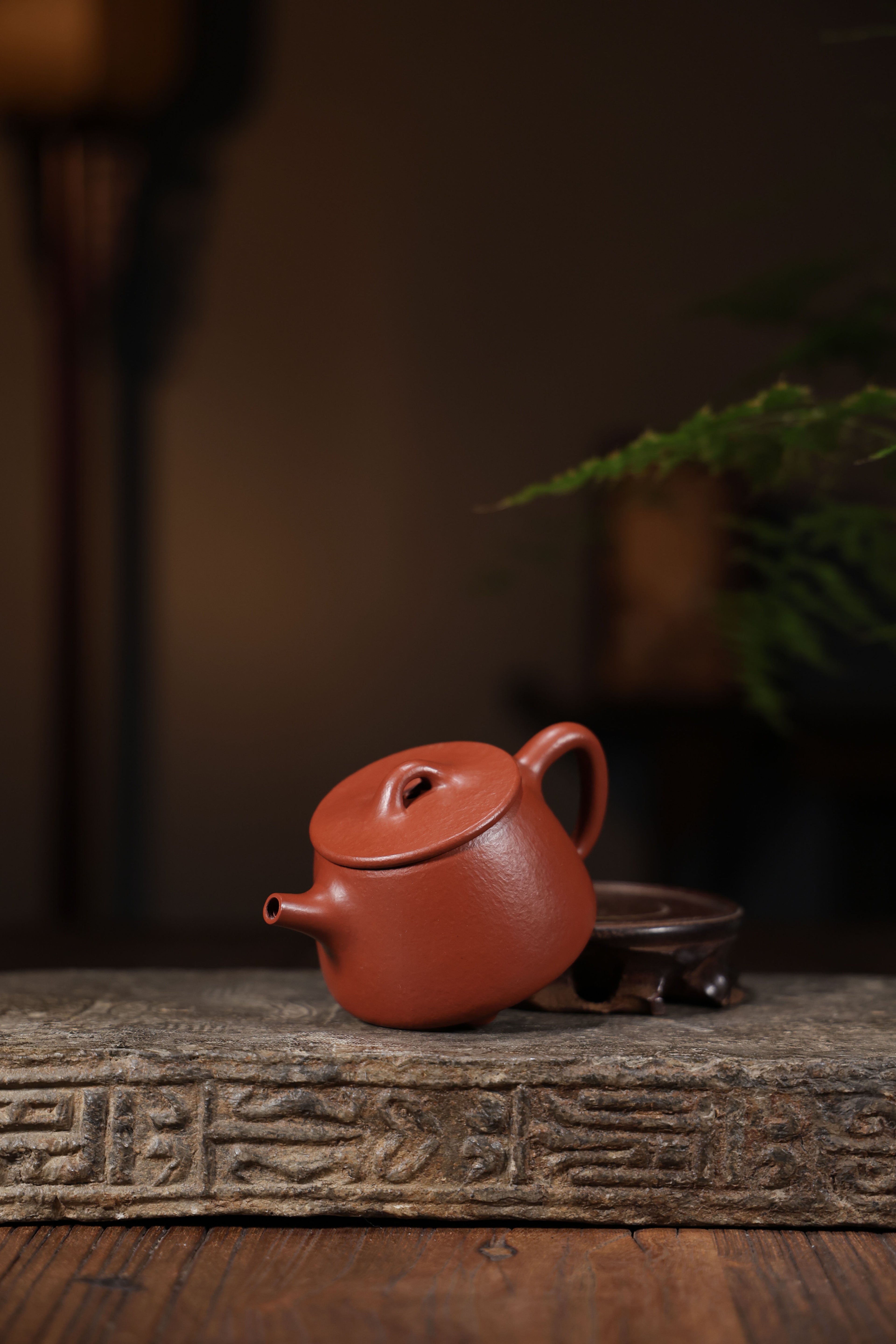
Amidst eras, gatherers have been mesmerized by the exceptional charm of Yixing Zisha urns. Originating from the zone of Yixing in China, these wares are renowned for their notable beauty, unusual clay, and fundamental ability to elevate the bouquet of the steeping. The soil's distinctive purple-brown hue, combined with the expert fabrication of territorial creators, creates creations that are concurrently functional masterpieces and treasured endowments. Securing a Zisha teapot is more than just specific purchase; it's seizing a rich ethnic heritage.
Grasping Yixing Teapots: Narrative, Kinds, and Significance
The renowned Yixing teapots constitute a profound legacy deeply intertwined with Chinese culture. Beginning in the Yixing region of Jiangsu province, these clay vessels possess a heritage dating back to the Ming Dynasty. Former examples were functional, but through centuries, Yixing teapot creation evolved into an esteemed art form. The clay itself, known for its unique grain and ability to influence the flavor of the tea, remains a defining factor. Yixing teapots materialize in various kinds, broadly categorized by shape: Standard such as Zhuni (purple clay) and Bisheng, as well as advanced designs. The worth of a Yixing teapot centers on several Purple Clay Teapot factors, including the potter’s standing, the age of the piece, the rarity of the clay, and its aesthetic allure.- Background: Ming Dynasty
- Element: Different forms
- Assessment Factors: Historical period
Zisha Pot Expertise: Practice and Makers
One crafting of a bona fide Zisha teapot is a sophisticated process, requiring periods of experience. Seasoned artisans meticulously source the excellent Zisha clay, a uncommon earth found only in specific regions of China. Established techniques, often relayed through families, involve meticulous shaping, subtle carving, and methodical firing in ancient furnaces. The end teapot isn't merely a pot; it's a testament to design vision and the meaningful connection between the sculptor and their ancestry. Each piece showcases the distinctive touch of the maker, resulting in a truly matchless work of art.
Historical Teapots: Investigating the Rich Cultures of the Yixing Region
Historic Yixing, located in Jiangsu the district, is globally renowned for its exceptional earthenware – a tangible representation of centuries of Chinese creative legacy. These aren't merely vessels for steeping tea; they are intricate works of expertise, often reflecting cultural ideals. That unique purple clay, known as Zisha, possesses uncommon qualities: it is dense, ventilated, and imparts a subtle flavor to the tea.
- Numerous ancestries have honed the techniques of Yixing teapot making, passing down preserved methods through epochs.
- Fans prize these pieces for their aesthetic and exclusiveness.
- Individual pot tells a narrative, connecting the recipient to a rich past.
Considering Yixing Zisha: Essential Tips
While evaluating collecting Yixing Zisha earthenware, several elements necessitate careful analysis. At the outset, the ingredient's color is crucial; authentic Zisha generally exhibits a particular carmine depth. Also, evaluate the handiwork; well-defined features and a refined texture imply experienced fabrication. To finish, examine the artisan's credentials; famous names earn enhanced fees and often grant a secure gain.
Mastering Tea Brewing Using a Zisha Pot
Brewing delicious tea with a Zisha carafe is more outstripping a simple habit; it's an specialty. Zisha clay, noted for its unique natural composition, imparts a refined character to the prepared tea that’s often absent with other materials. The fitting water climate is imperative; typically, softer than what's used for black tea, to retain the tea's aroma and zest. Consider conscientiously the tea kind; delicate green teas or aged pu-erhs gain from the Zisha’s ability to smooth their natural edge. It’s pivotal to heat the teapot in advance of brewing, and to prevent over-steeping. Mastering this art leads to a factually exceptional tea moment.
- Grasping Zisha Clay
- Water Temperature & Type of Brew
- Necessity of Preheating
Safeguarding Your This Teapot
To ensure secure the longevity of your esteemed Yixing kettle, regular management is truly key. Abstain from using detergent; instead, non-aggressively flush it with hot aqueous substance. Prevent immediate changes; refrain lay the teapot directly onto a searing area. Periodically, enrich the clay pot by filtering it with excellent refined infusion, as this improves to improve its quality and preserves the special charm of the element.
Concerning Substance to Vessel: The Course of a Zisha Container
A creation of a Zisha teapot is a intriguing system, a demonstration to both the planet's bounty and the skill of the creator. It opens with the meticulous extraction of the exclusive clay from the crimson Zisha mines around Yixing. This virgin material, known for its exquisite features, is then methodically clarified and shaped for the preliminary forming. The bottle’s design is masterfully assembled using a mix of classical sculpting practices, often incorporating complex motifs. Following aging, the vessel undergoes a essential first firing, accompanied by a dressing stage, which might involve countless layers of natural Zisha coatings. Finally, a second, and sometimes third, firing at elevated temperatures finishes the product, revealing its finished beauty and exceptional characteristics - a genuine masterpiece, prepared to adorn a tea practice.
{Yixing Teapots: A Manifestation of a Customary Practice and Appreciation
Famed Yixing teapots, originating from the acclaimed Yixing region of Jiangsu province, are far more than mere jars for brewing infusions; they represent a profound aspect of Chinese culture. Made from distinctive purple clay – zisha – these exceptional teapots are highly treasured for their ability to complement the flavor of the tea and, crucially, for their artistic merit. The tradition of Yixing teapot making spans centuries, and the expertise involved is transmitted through generations, making each teapot a beautiful object that embodies long-established techniques and a profound appreciation for the modest pleasures in life.