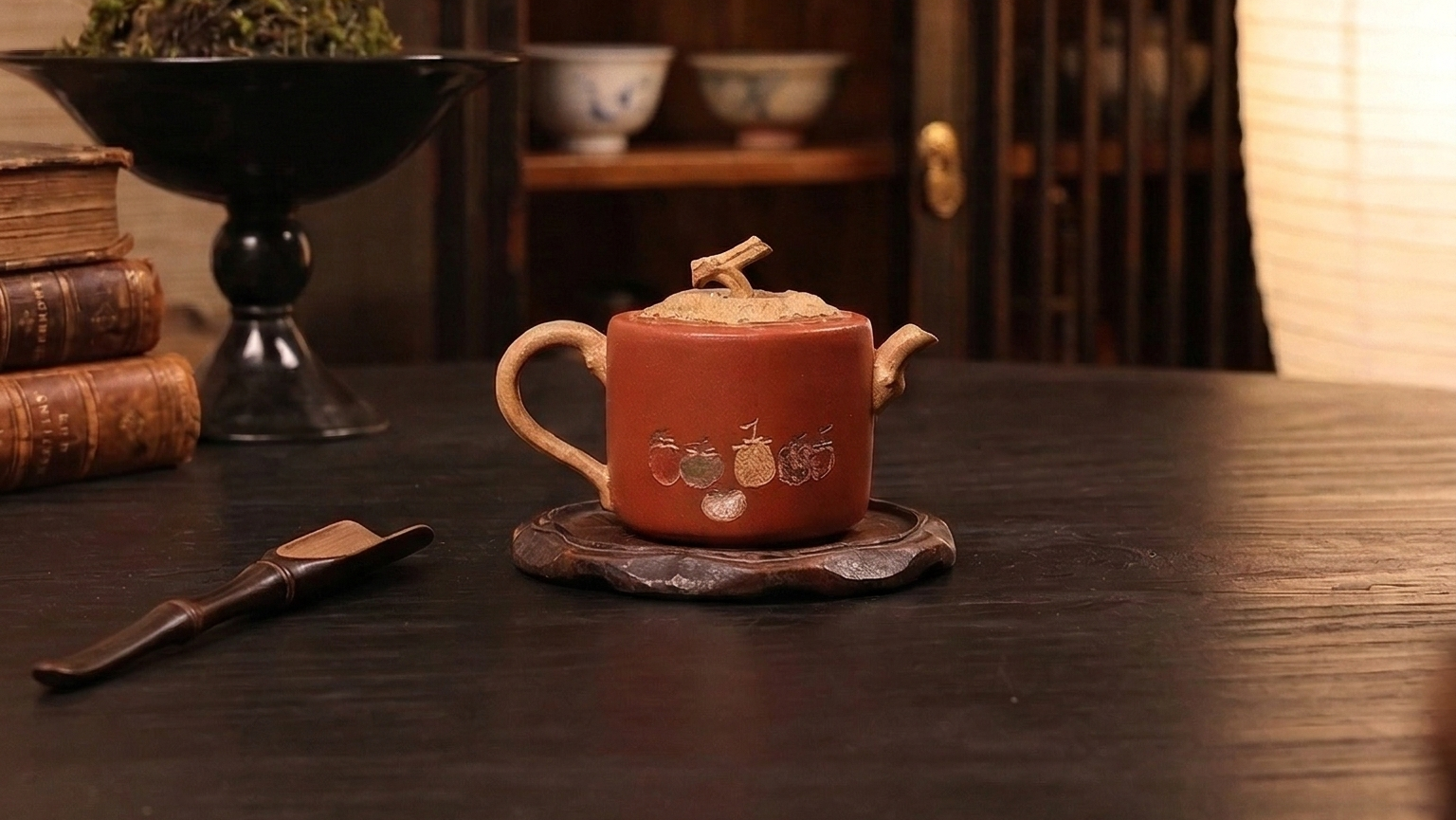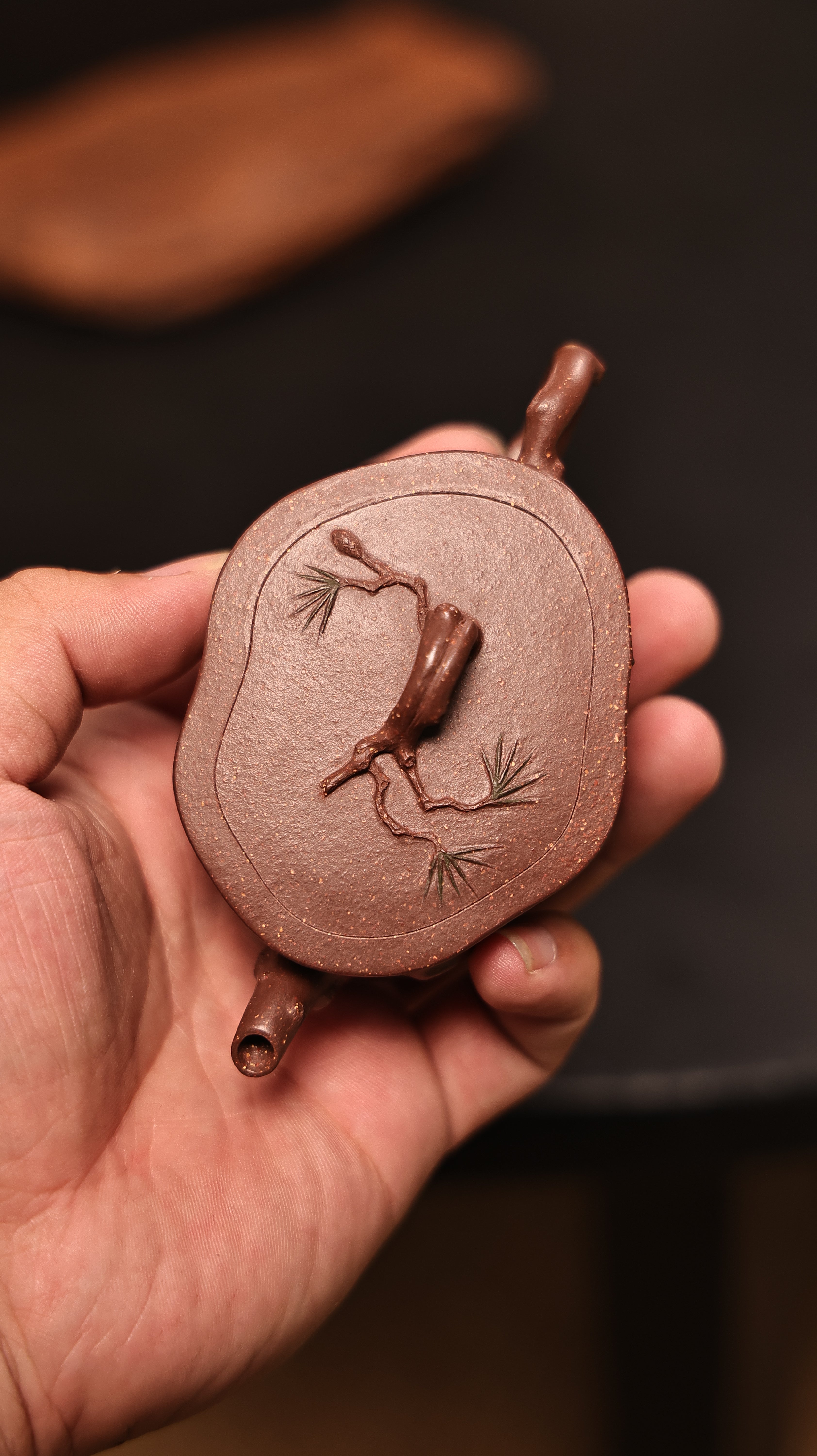
Perpetual custom defines Jiangsu pottery via timespans,
Representing singular properties derived through homegrown lavender elements, such pitchers yield a layer throughout practice, heightening zest extracted from brewed teas.
Appreciating Yixing Clay: In-Depth Insights into Zisha
Numerous followers acknowledge the singular quality of Yixing heliotrope clay, an essential element of established Chinese stoneware. Deriving from the Yixing region of Jiangsu province, this unique clay possesses an complex mineral composition, in order that furnishes excellent qualities to the executed containers. Types within Zisha, including Bing Mud, Duan Ni Mud, and Jiang Xi Mud, each demonstrates particular tints, patterns, and firing traits, determining the diffusibility and the definitive savor development of the liquid.
Mandarin Container Customs: Learning Creativity
Oriental teapots embody far more mere flasks for liquid; they embody centuries of cultural craft. From the famous Yixing clay variations, respected for their porous nature which delivers exclusive notes to the extract, to the subtle porcelain from Jingdezhen, each piece narrates a record of commitment. The forming process is an detailed endeavor, often relayed through lineages of artists. These specialists use time-honored procedures such as hand-building, throwing on wheels, and refining, demonstrating profound reverence for the substance and the work itself. Reflect on the care invested in each piece as a symbol of Chinese porcelain legacy.
- Yixing crocks: a timeless pick.
- Delicate ceramics teapots: valued for their graceful design.
- Constructing techniques: a arduous yet worthwhile procedure.
Zisha Pitcher Preservation: Caring for Your Treasure
Necessary support of your cherished Yixing Zisha kettle is crucial to enhancing its durability. Crafted from distinct purple sand dirt, these first-rate teapots build a lovely patina after utilization, substantially boosting their allure. Withhold washers; a mild rinse with comfortable warmth hydraulic medium is enough. Shun heated water for washing the teapot, as it may break its fabric. Allow it to lose wetness away from direct radiance. Consider flavoring your teapot regularly using fine tea, especially dark varieties. Here is a brief overview:
- Wash over with softly heated water.
- Do not use washers.
- Facilitate it to dry completely.
- Season with superior tea.
Origins of Yixing Teapots: From Basic Inception
The chronicle of Yixing teapots launches basically during the Zhao dynasty, roughly the 16th interval. Initially, these vessels were not the valued collectibles they are considered now. They were made by regional potters using the distinctive purple clay sourced solely in the Yixing vicinity. These early works were largely utilitarian, meant for routine function and often plain in appearance. It was not until the later dynasty that they started to earn prestige beyond mere functional goods.
Determining the Perfect Native Kettle: A Initial Primer
Delving the realm of Yixing teapots can be intimidating, but shun worry! For first-timers, the fundamental factor is understanding the earth. Real Yixing clay is prized for its absorbency, allowing the teapot to collect the tea's note over time, amplifying every preparing session. Consider the form; traditional curved shapes prevail, yet particular preferences hold sway. Lastly, copyrightine the texture—while some favor an unprocessed appearance, others prefer a gentle gloss. Take your time in the option process—this is an buying in a treasured piece of art.
Traditional Clay Jars and Their Contribution on Chinese Tea Heritage
Zisha vessels, born from Yixing, China, have profoundly affected classic Chinese brew culture. Those Yixing clay teapots, prized for their characteristic tint, grain, and exceptional ability to impart a subtle accent to the brew, serve as more than mere devices; they are appreciated artworks and symbols of prominence. The very act of preparing and serving elixir using a Zisha teapot is steeped in heritage, elevating the experience beyond simple refreshment. Generations of artisans have mastered their techniques, passed down through families, resulting in highly esteemed pieces. As a result, Zisha teapots are frequently held, playing a crucial part in cultivating national appreciation for aesthetics and the ritual of drink ceremonies.
- Individual Clay Composition
- Transmitting Subtle Flavor
- Ornamental Craftsmanship
Distinguishing True Unique Local Vessels
Procuring a authentic Yixing teapot can be a enjoyable experience, but the market is often plagued with knockoffs. Differentiating between a real antique and a contemporary reproduction requires scrupulous inspection. Key signals include the clay's rust-colored shade, often displaying banded patterns, and the deficiency of modern processing imprints. The silhouette should manifest natural fineness, reflecting the traditional Yixing manner. Finally, reviewing the producer's stamp is necessary to verify certainty against published archives.
- Assess the clay's surface.
- Look for flaws, indicative of manual quality.
- Hire an consultant for confirmation.
Obtaining Native Teapots: A Thorough Manual to Ceramics Appreciation
The realm of Chinese Zisha earthenware shows a outstanding opportunity for knowledgeable buyers. Steadily, the valuation of these well-made artifacts is steered by various elements, such as the caliber of earthenware, the mastery of the creator, Purple Clay Teapot the ancestral relevance, and, naturally, the contemporary popularity. Initiates should invest time on comprehending the numerous characteristics of Zisha clay—such as Binghu, Du Ning, and Hong Ni—and familiarizing the qualities linked to each. Meticulous evaluation of the item's pattern, tint, and emblem is similarly necessary to make wise solutions when investing.