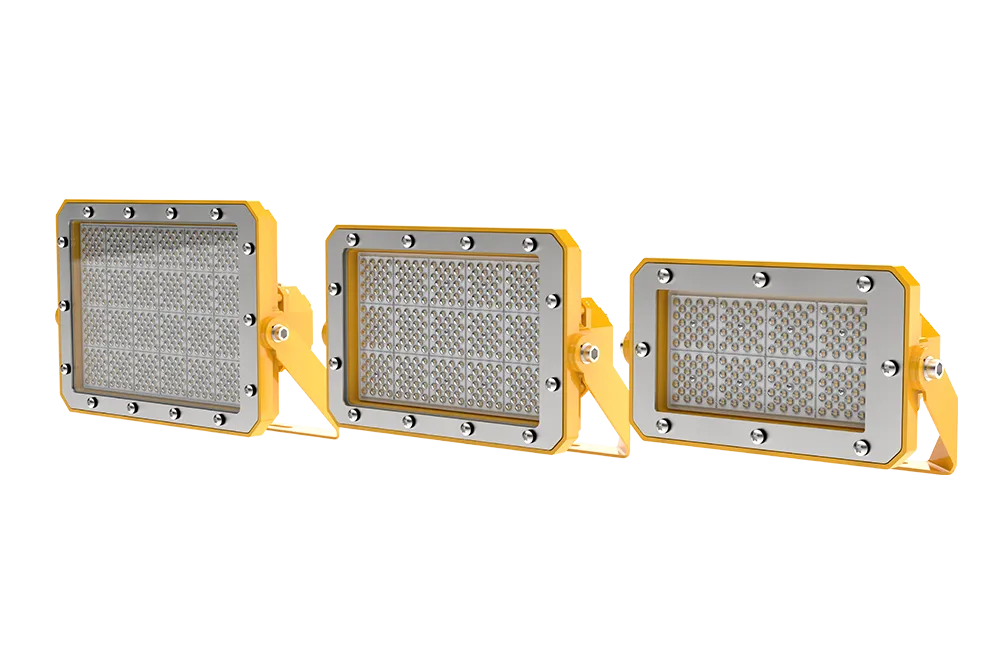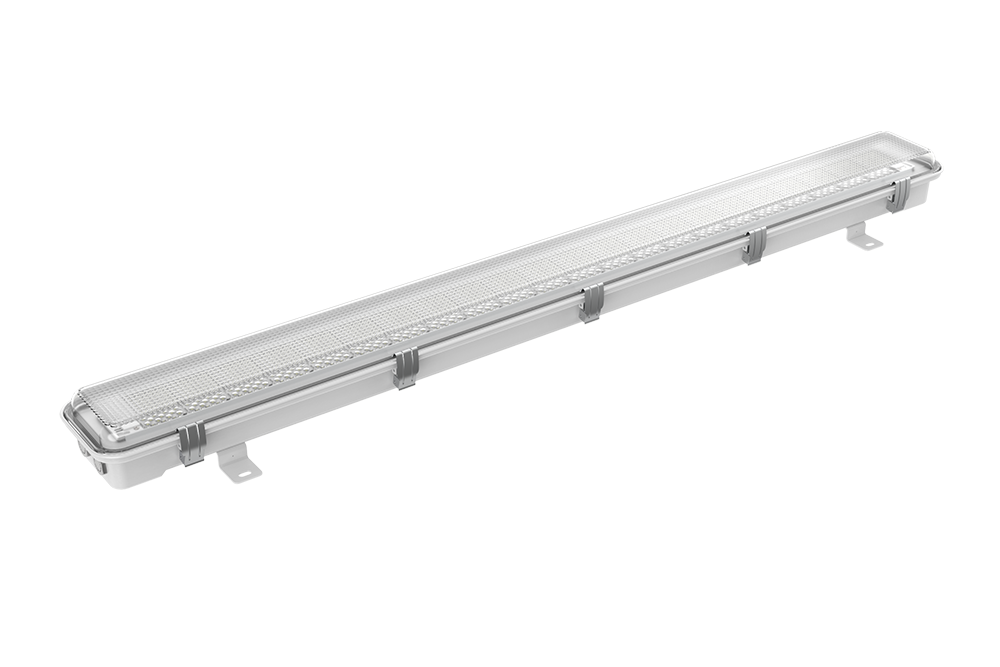
Originating the present paper discusses the tools regarding intrinsically safe systems across industrial sites.
Functioning steadfastly inside critical areas particularly refinery works necessitates purpose-built apparatus intended to eliminate anticipated accidents. Flame-proof fixtures are necessary components in comparable settings, crafted to cope with flashes, reactive vapors, and ignitable fields. Such instruments are not inherently protected; in contrast they are constructed to restrain any inward arc or flash and inhibit it from producing a greater combustion in the local site. This overview supplies primary information about explosion-proof luminaires, their employments, and defense elements for installing them safely.
Decoding Explosion Proof Lighting Standards
Conforming to the intrinsically safe lighting codes can be intricate, especially inside operations engaged in hazardous atmospheres. These codes – often referring to regional bodies for instance the National Electrical Council (NEC), ATEX (Europe), and IEC – enforce rigorous design and mounting procedures to minimize the danger of sparks from power devices. Understanding such standards is vital for ensuring personnel safety and conformity with applicable requirements.
Luminescent Flame Proof Lighting Systems: Output & Reliability
Crystal-Based hazloc fixtures offer a significant development over previously used neon devices in sites where ignitable materials are detected. These durable mechanisms just furnish remarkable fuel economy, bringing about decreased expenses, but crucially facilitate a augmented degree of safety by mitigating the probability of flaring caused by energy burst}.
Explosion Proofed Risky Location Dangerous Proof Spark Burn Ignition Resistant} Units : A Extensive Manual
Explosion Rated Perilous Environment Perilous Proof} Units are exclusively engineered lighting mechanisms built to work safely within conceivably ignitable environments. These sturdy fixtures avoid sparks, thermal flux and electric charges from setting off a severe explosion. They regularly incorporate innovative designs, employing for example impermeable housings and essentially safe wireless units to confirm safety protocols in operations like crude & hydrocarbon gas processing, fabrication plants, earthworks operations, and medication production.
Identifying the Correct Ignition-Resistant Systems for Risky Regions
Identifying the perfect explosion-proof luminaries for a selected potentially explosive environment entails careful assessment. Criteria such as the classification (e.g., Category I, II, or III and partitions 0) are expected to be correctly reviewed to maintain adherence with appropriate hazard control protocols. More than the environment's essential risks, think about surrounding parameters, covering heat and dampness, to determine a resilient and stable solution. Frequently confide in a trained technician to direct your resolution.
Locations Where Occur Explosion Proof Lights?
Explosion-proof otherwise called intrinsically safe|hazardous location|Class-rated} lighting fixtures are undeniably needed in particular areas where dangerous substances or dust could potentially create a hazardous atmosphere. This usually includes petroleum production plants, adhesive application areas, wood handling facilities, and effluent treatment facilities. Regulations, such as those from IEC and NEC, mandate their use in these environments to mitigate the risk of fire and guarantee safety dependability.
Positives of Semiconductor in Hazloc Systems
Embracing Photon Emitting technology for flammability rated sources offers a noteworthy array of advantages. First, LEDs boast a remarkably longer functional period compared to traditional fluorescent sources, reducing servicing costs and idle times. They are also essentially safer, producing lowered thermal energy which minimizes the exposure of fire outbreaks in risky atmospheres. Moreover, semiconductor devices are substantially power conserving, leading to decreased energy usage payments and a minimized environmental imprint. Finally, the sturdy construction of Crystal-Based assemblies resists the tough circumstances typical of intrinsically safe areas.
- Augmented Service Life
- Reduced Support Expenses
- Heightened Risk Management
- Lower Electrical Usage
- Strengthened Resilience
Managing and Checking Explosion Proof Lighting Systems
Systematic inspection and careful review of spark proof lighting networks are importantly vital for preserving risk prevention and counteracting potential risks. This covers a scheduled review of all pieces, such as fixtures, ducts, current conduits, and related distribution boxes. Notably, examine for corrosion, body impairments, and reliable earthing. In addition, guarantee that every indications are identifiable and that the light fulfills mandated standards.
- Execute sight examinations.
- Assess circuit integrity.
- Substantiate explosion protection.
Advancing of Explosion Proof Lighting Technology
The evolving landscape of explosion-proof illumination technology foretells a remarkable shift from traditional designs. Future tools will broadly incorporate intelligent capabilities, enabling remote monitoring, diagnostics, and adjustable control. We foresee a increasing adoption of electroluminescent technology, not only for its basic energy efficiency, but also its aptitude to facilitate installed sensors for measuring unstable conditions. Over and above, materials research is driving innovations in durable housing materials, ex proof lights allowing for lighter and optimized designs, while preserving the mandatory levels of hazard prevention.
- Advanced battery life for flexible applications.
- Consolidation with forecasting maintenance bases.
- Construction of carefree lens techniques.