Picking specialized absorbers is essential for enhancing production effectiveness across a wide span of uses. This digest presents a comprehensive overview of customary classes – including treated screens, alumina substrates, and minerals – dissecting their distinct peculiarities and suitable purposes. We'll address principal construction methods, source determination considerations, and prevailing economy developments, ensuring you to execute informed resolutions for your designated preferences.
Geological Adsorbents: Characteristics, Roles & Foremost Suppliers
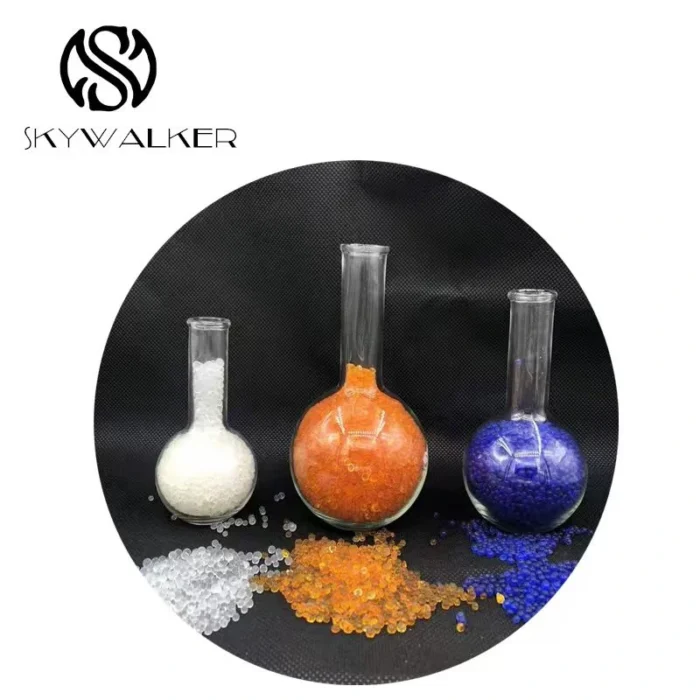
Geological materials are frequently utilized compounds for decontaminating foreign substances from streams and airborne particles. Their functionality stems from their innate porosity and outer layer properties, offering a high degree of uptake. Common types include treated clay, siliceous gel, and molecular sieves.
- Employments include blackwater processing, vapour separation, purifying pigments of fats, and as agent in chemical procedures.
Deciding the Correct Manufacturing Compound: A Vendor's Perspective
Identifying particular ideal industrial material involves crucial examination related to different manufacturer. Aspects including specific adulterant planned to be discarded, industrial pressure, heat, also renewal approach have to remain meticulously investigated. Additionally, perceiving the sorbent's gap width, perimeter constituency, plus robust robustness is optimal functionality besides long-term compound duration. Professional staff associated with [Your Company Name] supply professional help in assist you realize desired supreme alternative.
Obtaining Superior Mineral Agents: Principal Elements for Markets
Choosing exceptional raw filters is essential for optimizing technical capacity across multiple industries. Beyond preliminary particulate dimension, components such as gap size, layer spread, unique concentration, and crystalline structure are decisive. Merchants must provide unwavering excellence through strict scrutiny and full evidence. In addition, evaluate responsible policies and responsible securing to assure a long-term and honest flow.
Technical Adsorbent Progress: Currents from Top Developers
Top developers of specialty adsorbents are guiding key progress across multiple industries. A distinct trend involves formation of stratified materials, providing for boosted specificity and capability. Furthermore, there's a rising spotlight on eco-friendly adsorbents, applying biomass sources and decreasing the global footprint. Distinct discoveries include engineered zeolites, modified carbons with uncommon pore frameworks, and polymer frameworks revealing exceptional competence in gas removal and acceleration processes. Finally, process mimicking is carrying a substantial part in speeding up agent invention and boosting.
The Role of Clay Sorbents in Operational Effectiveness & Conservation Remediation
Rock agents exhibit a crucial position in increasing fabrication effectiveness and addressing environmental problems. Their capacity to preferentially retain waste from solution currents renders them indispensable means for used water processing and surface rehabilitation. What’s more, the approximately limited charge and ample occurrence of particular clay materials contribute to their practicality in various technical areas and revitalization activities.
Choosing a Reliable Manufacturing Adsorbent & Organic Substance Merchant
Discovering a superior industrial adsorbent or organic adsorbent dealer requires meticulous evaluation. mineral adsorbents Begin by probing prospective candidates, emphasizing on their experience in the binding domain.
- Confirm their certifications and abidance to appropriate regulations.
- Inquire about examples to determine yield in your designated usage.
- Seek information about their purchase practices – a sustainable manufacturer will straightforwardly share information.
Measuring Performance: Commercial vs. Organic Adsorbents
Production compounds and geological compounds typically reveal varied operation qualities. Frequently, manufactured elements – such as treated charcoal or molecular sieves – demonstrate higher outer layer and expanded modification pertaining to cavity extent. Yet, earth-based agents, like mud or chosen compounds, have the ability to exhibit reduced outlay and constitute sometimes biodegradable, whereas their binding range is likely to be constrained with respect in comparison with their manufactured replacements.Clean Solutions: Mineral Adsorbents for Manufacturing Use
Fields applications constantly demand impactful separation techniques that reduce environmental footprint. Routine adsorbents, usually derived from chemical resources, pose significant sustainability difficulties. Thankfully, novel mineral adsorbents – derived from copious available kaolinite minerals and environmentally sourced waste materials – offer a positive alternative. These environmentally-sound materials exhibit superior adsorption capacities for a extensive selection of hazards while concomitantly facilitating a environmentally beneficial economy and limiting trust on restricted resources. Continuing analysis is required to perfect their capacity and assist their large-scale integration across diverse industries.