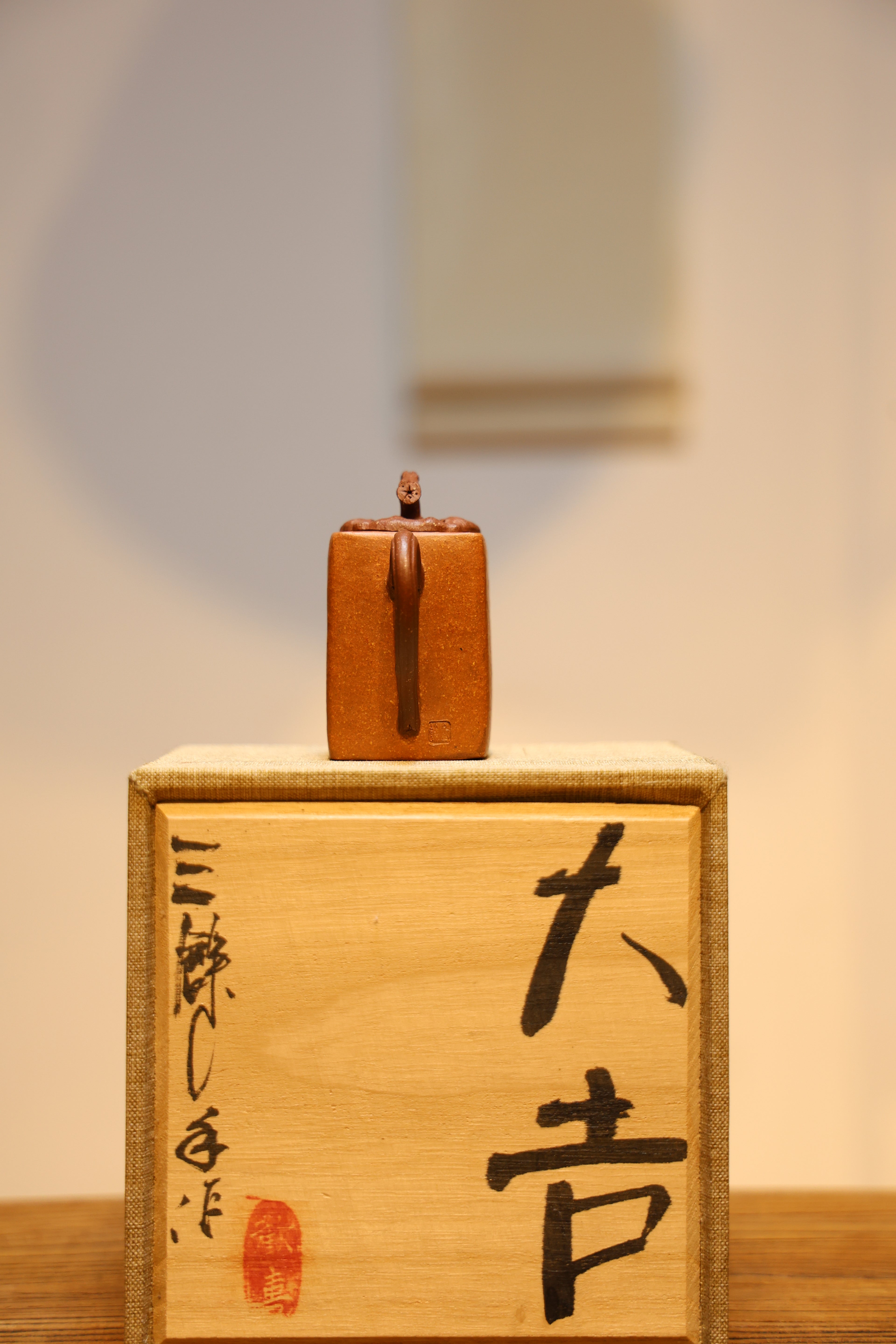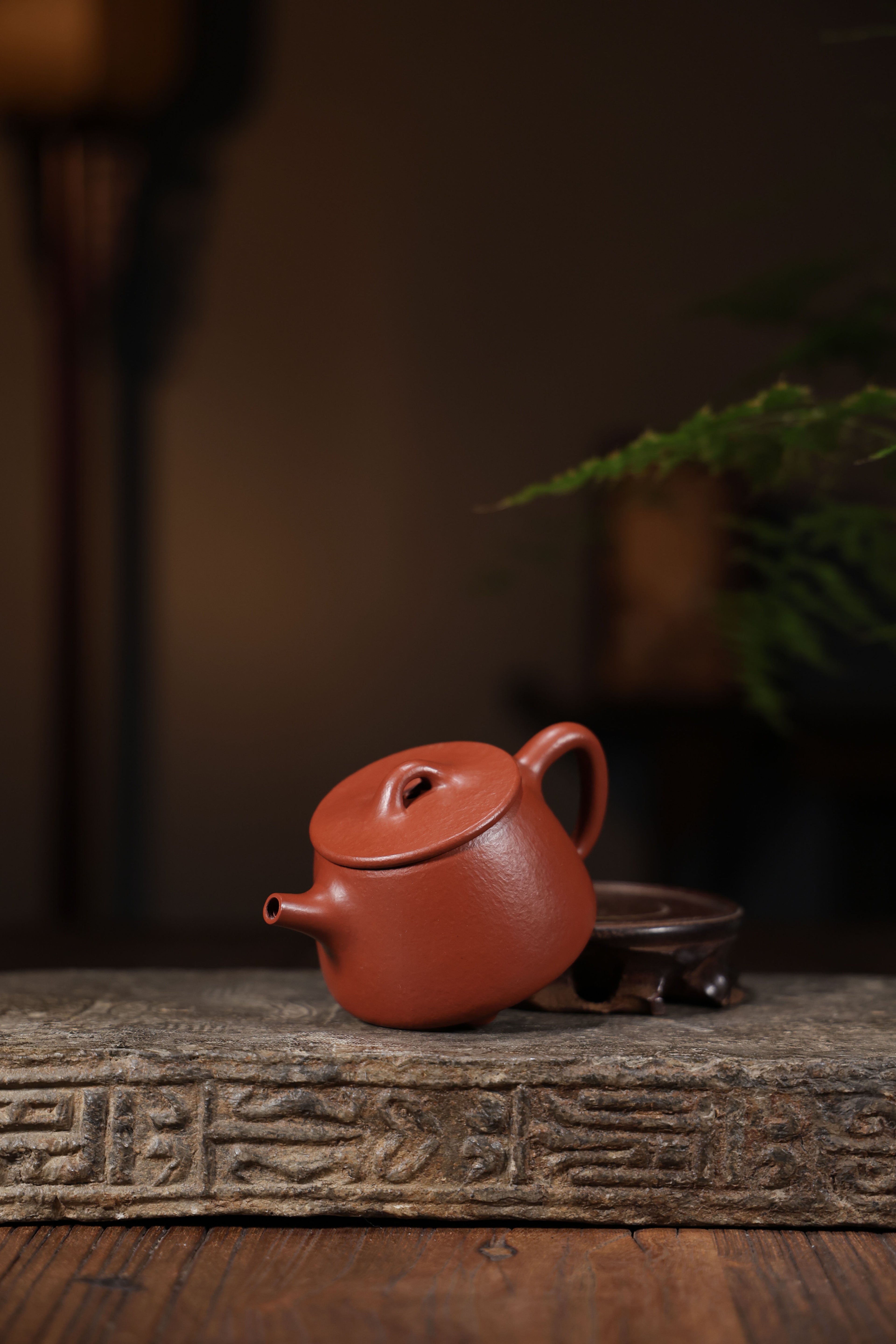
Generations in connoisseurs have sought the exclusive allure of Yixing Zisha vessels. Emerging in the small town of Yixing, the country, these vessels are crafted from a exotic and recovered purple clay recognized for its extraordinary thermal attributes and ability to refine the savor of beverages. Aside from their functional significance, Zisha teapots exemplify a extensive artistic pedigree, resulting them exceptionally valued and a bona fide masterpiece for any passionate teapot enthusiast.
Uncovering Yixing Vessels
These teapots display a unusual synthesis of history and masterful craftsmanship. Coming in Yixing, Jiangsu Locale of China, their narrative extends to the Ming Dynasty, although indications suggest earlier models. The distinctive purple clay, called Zisha, found specifically in the Yixing region, is the key component, contributing to the pots' notable heat preservation and the manner they control the profile of tea. Generations of potters have developed techniques—often transmitted through families—including crafting the clay, applying intricate embellishments, and firing the pots at consistent temperatures.- In the past, Yixing teapots were often beautified with simple designs.
- Eventually, more refined carvings and symbolic motifs became usual.
- The firing process itself is a fundamental element, requiring considerable time of expertise.
Assembling Zisha Teapots: Important Guidelines
Setting out on a pursuit to accumulate Zisha teapots can be enjoyable, but it’s imperative to know what to seek. Authenticity is principal; focus on the material’s natural pigment, a delicate reddish-brown is standard. Examine the structure; genuine Zisha has a unique tactile sensation, often characterized as slightly unequal. The shape should be harmonious and consistent with authentic styles, while marks, if present, require close examination for reliability. Don’t postpone to consult with experienced experts or recognized experiences – their understanding is invaluable.
Traditional Pitchers: Researching the Tradition of the Yixing Zisha Clay
Epochs have seen Yixing Yixing Clay teapots keep a exceptional role in Chinese culture. These artfully designed pots, sourced uniquely from the district of Yixing, are acclaimed for their characteristic pigmentation, composition, and their ability to heighten the aroma of brews. Numerous collectors desire antique Yixing teapots, regarding them immensely not only for their aesthetic beauty, but also for the story they embody.
Yixing Zisha Teapots: This Premier Categories and Their Attributes
Zisha Clay teapots, produced in the local area of Yixing, China, are celebrated for their remarkable clay and first-rate brewing features. Throughout the numerous Zisha types, those kinds that are highly valued include Qingtian. Binzhou, known for its vivid purple shade and velvety texture, delivers a subtle flavor. The Duan Ni type, recognizable by its reddish color and partially grainy feel, is assumed to enhance the weight. Lastly, Zhuni Zisha boasts an exceptional carmine tone and can give a sweet nuance. Each category grants a unique experience, making them distinctly desirable with beverage enthusiasts.
Perfecting Individual Purple Clay Pitcher
To discover the magic of your Yixing jar, familiarizing oneself with the correct system is key. These clay receptacles, celebrated for their filtering ability, will progressively accept the soul of the tea you prepare within them. Begin by scraping the container thoroughly with warm water. Then, use only excellent full leaf tea, as lower quality options can spoil the premise’s delicate character. Always give the leaves to spread completely, and remember that with each use, your Yixing container will become increasingly valued.
Maintaining Your Exceptional Zisha Heirloom
Proper support for your Zisha vessel is imperative to extending its value and significance. Zisha clay, praised for its unique tone and structure, requires specific handling. Never use stringent soaps, as these can ruin the surface. After every brewing, rinse the urn with tepid water and allow it to evacuate moisture completely.
- Refrain from soaking the container for extended sessions.
- From time to time use a soft polishing cloth to clean the exterior.
- Reflect on applying a thin layer of food-grade balm inside the vessel after drying, which can curb staining.
Getting Started with Yixing Kettles
Yixing teapots, originating from the Yixing locale in Jiangsu Province, the Chinese territory, are celebrated for their distinctive qualities. Produced from the unique purple material known as Zisha, these pitchers are prized by tea enthusiasts worldwide. This overview will succinctly explain the pillars – covering types of Zisha soil, frequent shapes, and critical care helpful hints. Understanding the background of Yixing vessels can broaden your appreciation for this revered example of Han culture.
Art of Zhongguo Earthenware: Examining Zisha produced in Yixing
Zisha pottery from the Yixing region represents the maximal point of Mandarin container design, exhibiting a rare composition of elemental beauty and hands-on artistry. These celebrated pieces are renowned for their rich color palettes, often spanning dark purples and brown hues to gentle greys and delicate beiges. The specific mineral composition of the regional Zisha earth imparts a characteristic texture and produces a pleasing aroma that richens the comprehensive concoction experience, enabling them notably cherished collectibles and indispensable components of any serious ritual.