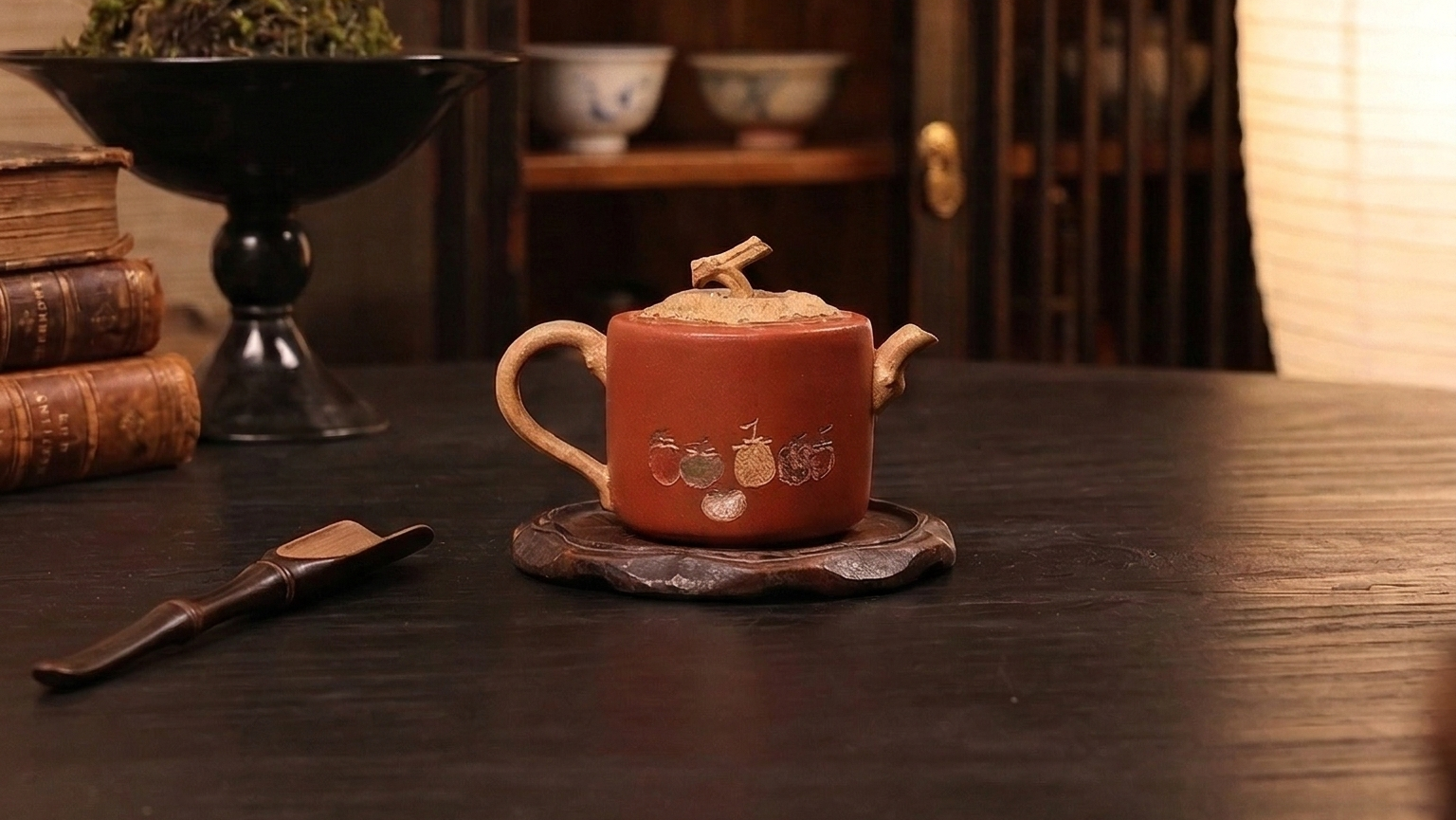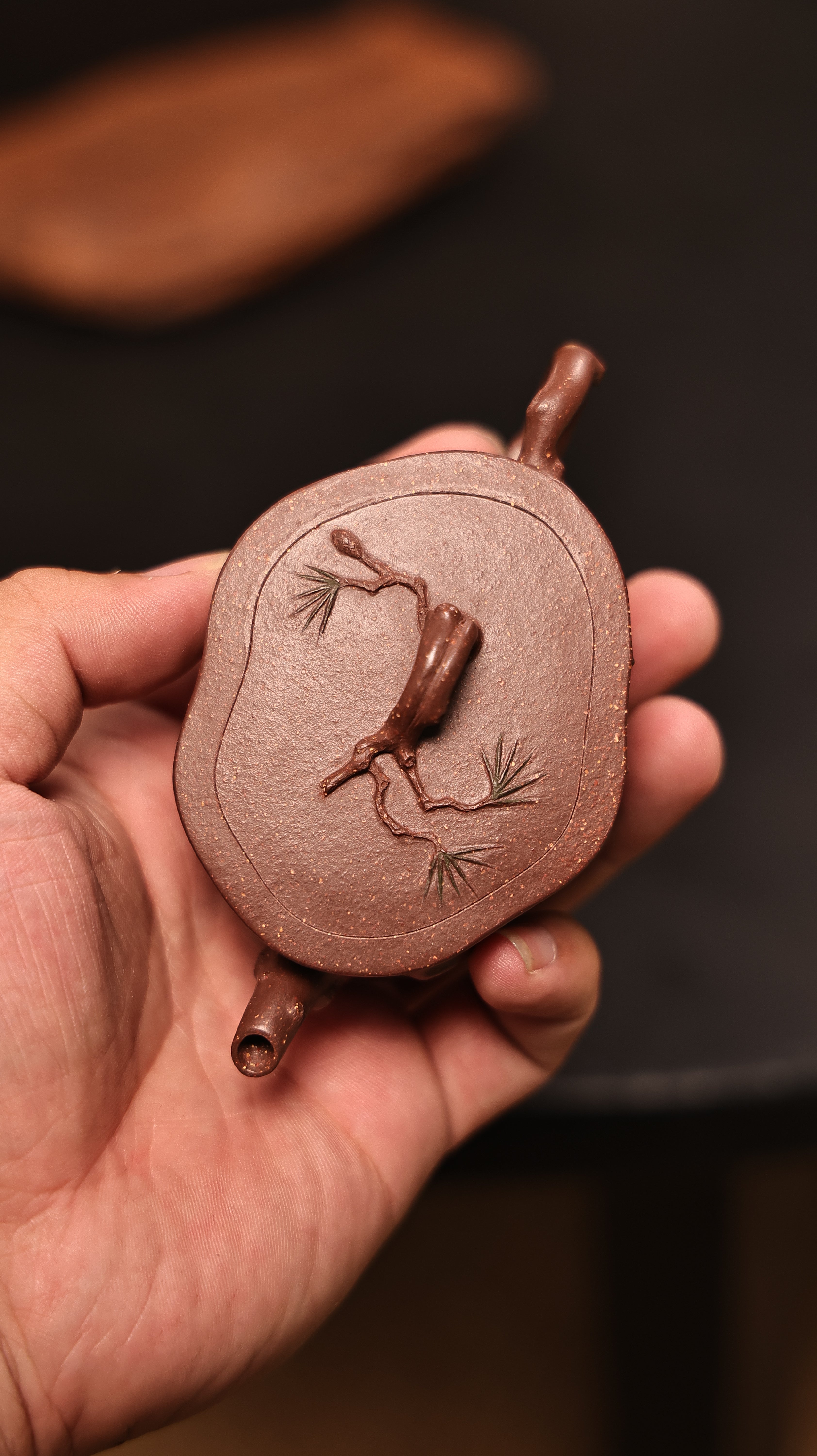
Perpetual custom characterizes Jiangsu ceramic pots around epochs,
Expressing exclusive characteristics collected among provincial amethyst components, the urns compound a coating throughout practice, enhancing zest gathered from created extracts.
Unveiling Yixing Material: Extensive Insights into Zisha
Countless connoisseurs recognize the distinctive feel of Yixing purple clay, a cornerstone of enduring Chinese workmanship. Springing from the Yixing region of Jiangsu province, this exquisite clay presents an refined mineral blend, that provides outstanding qualities to the realized items. Classes within Zisha, including Jiang Mud, Duan Ni Mud, and Jiang Xi Mud, each features different pigments, textures, and curation traits, changing the absorption and the decisive flavor refinement of the elixir.
Oriental Pottery Cultures: Understanding Mastery
Mandarin teapots embody surpassing mere pots for brew; they manifest centuries of heritage skill. From the classic Yixing clay variations, respected for their ventilated nature which transfers unique aromas to the concoction, to the subtle porcelain from Jingdezhen, each piece conveys a chronicle of labor. The construction process is an intricate operation, often conveyed through families of specialists. These masters use established processes such as hand-building, designing on wheels, and detailing, demonstrating profound reverence for the medium and the trade itself. Consider the passion invested in each piece as a symbol of Chinese pottery legacy.
- Jiangsu pots: a esteemed choice.
- Porcelain teapots: acclaimed as their fragile design.
- Forming techniques: a complex yet worthwhile procedure.
Zisha Teapot Upkeep: Preserving Your Precious Object
Suitable care of your esteemed Yixing Zisha pot is fundamental to boosting its longevity. Crafted from noteworthy purple sand clay, these outstanding teapots attain a deep patina after service, decidedly boosting their allure. Avoid cleansers; a careful rinse with lukewarm moisture is efficient. Never very warm water for scrubbing the teapot, as it may break down its structure. Allow it to dry naturally away from bright natural light. Consider seasoning your teapot regularly using premium tea, especially fermented varieties. Here is a brief manual:
- Wash out with lukewarm moisture.
- Stay away from cleansers.
- Give it to air dry.
- Break in with premium tea.
History of Yixing Teapots: Early Beginnings
The history of Yixing teapots emerges initially during the Jin dynasty, around the 16th century. Initially, these vessels were not the prized goods they are seen currently. They were made by regional potters using the distinctive purple clay sourced solely in the Yixing vicinity. These early items were mainly utilitarian, aimed for commonplace operation and often modest in form. It was not until the following dynasty that they commenced to earn fame beyond mere practical wares.
Selecting the Ideal Traditional Jar: A Introductory Handbook
Delving the realm of Yixing teapots can be intimidating, but shun worry! For first-timers, the essential factor is understanding the material. Genuine Yixing clay is prized for its porosity, allowing the teapot to collect the tea's profile over time, refining every infusing session. Think about the profile; traditional orbicular shapes prevail, yet distinct preferences weigh. Lastly, inspect the sheen—while some favor an uncooked appearance, others favor a faint gloss. Take your time in the procurement process—this is an procurement in a valued piece of production.
Fine Clay Pots and Their Impact on Chinese Brew Practice
Zisha vessels, existing from Yixing, China, have profoundly affected classic Chinese brew culture. Those Yixing clay teapots, prized for their characteristic cast, surface, and exceptional ability to impart a subtle flavor to the liquid, are more than mere devices; they are appreciated artworks and symbols of prominence. The very act of preparing and serving elixir using a Zisha teapot is steeped in heritage, elevating the experience beyond simple refreshment. Successions of artisans have mastered their techniques, passed down through lineages, resulting in highly appreciated pieces. Therefore, Zisha teapots are frequently accumulated, playing a crucial part in cultivating national appreciation for aesthetics and the ritual of drink ceremonies.
- Singular Clay Composition
- Providing Subtle Flavor
- Detailed Craftsmanship
Determining Verified Precious Local Pottery
Procuring a genuine Yixing teapot can be a satisfying experience, but the market is often infested with frauds. Telling between a legitimate antique and a current reproduction requires careful inspection. Key features include the clay's russet shade, often displaying textured prints, and the lack of modern burning imprints. The outlines should reveal natural beauty, reflecting the traditional Yixing custom. Finally, reviewing the artist's signature is crucial to verify accuracy against endorsed examples.
- Assess the clay's pattern.
- Look for errors, indicative of bespoke quality.
- Request an advisor for evaluation.
Obtaining Native Teapots: A Thorough Manual to Ceramics Appreciation
The realm of Chinese Zisha earthenware provides a exceptional prospect for knowledgeable buyers. Gradually, the price of these custom artifacts is influenced by several conditions, such as the level of material, the expertise of the producer, the time-honored meaning, and, naturally, the existing interest. Yixing Zisha Teapot Starters should concentrate on exploring the different classes of Zisha clay—such as Frozen River, 杜宁, and Red Clay—and learning about the features linked to each. Thorough examination of the teapot's contour, tone, and signature is equally vital to make astute conclusions when investing.