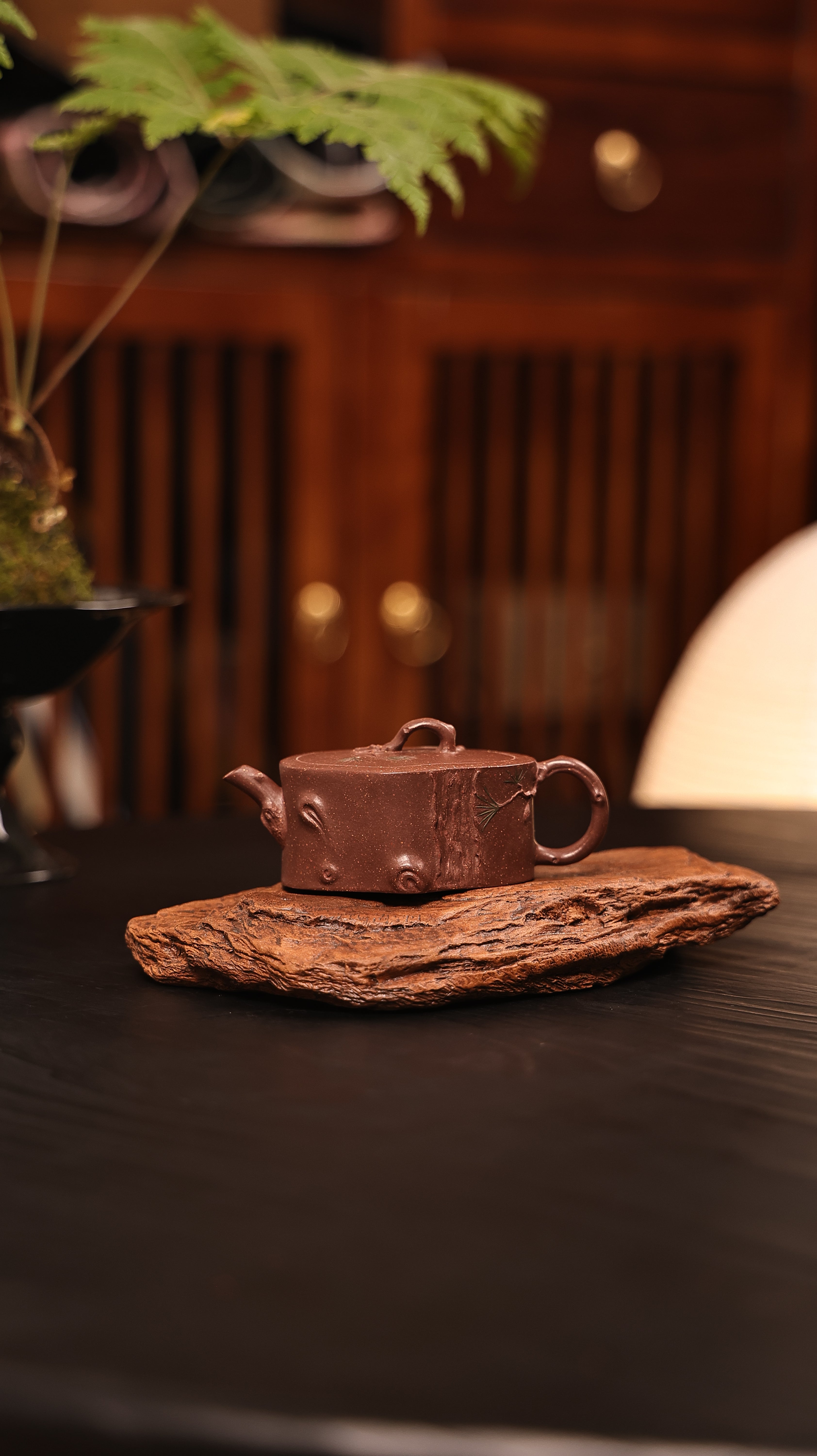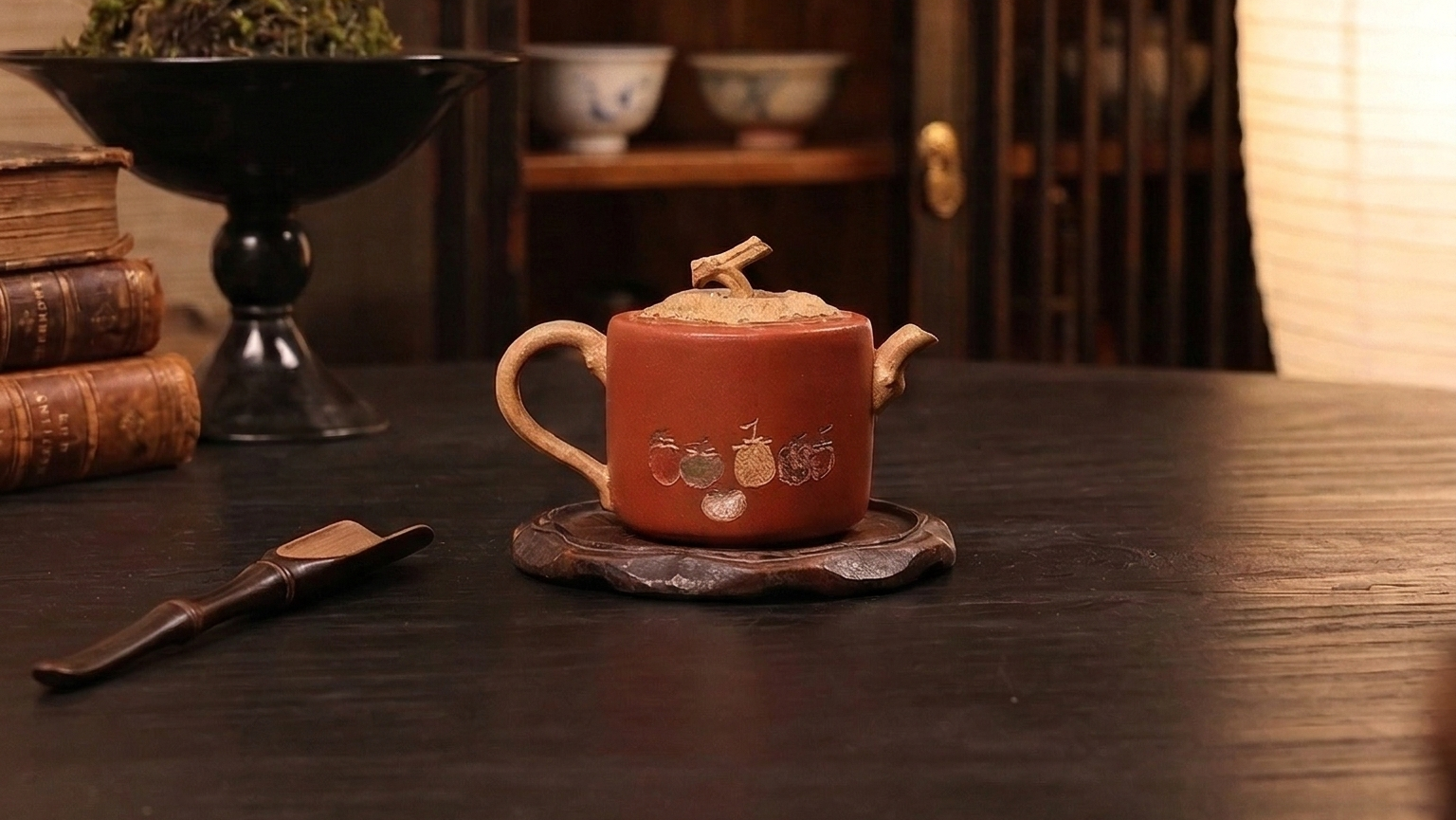
Sustained legacy shapes Eastern mugs alongside timespans,
Representing unique traits taken through homegrown mauve minerals, such jars build up a glow along operation, boosting savor released from extracted drinks.
Exploring Yixing Dirt: Comprehensive Insights into Zisha
Multiple aficionados recognize the distinctive texture of Yixing mulberry clay, a linchpin of conventional Chinese porcelain. Deriving from the Yixing region of Jiangsu province, this uncommon clay possesses an complex mineral composition, in order that furnishes superb qualities to the produced vessels. Variants within Zisha, including Ni Mud, Duan Ni Mud, and Jiang Xi Mud, each provides separate hues, feels, and curation traits, changing the airflow and the conclusive taste maturation of the elixir.
Far Eastern Teapot Rituals: Uncovering Skill
Chinese teapots embody above mere receptacles for infusion; they illustrate centuries of ancestral knowledge. From the exemplary Yixing clay variations, respected for their open nature which infuses individual characters to the beverage, to the precise porcelain from Jingdezhen, each piece relays a anecdote of labor. The creation process is an methodical pursuit, often transferred through clans of craftsmen. These artists use traditional strategies such as hand-building, molding on wheels, and refining, demonstrating profound reverence for the clay and the work itself. Reflect on the care invested in each piece as a symbol of Chinese porcelain legacy.
- Fine containers: a celebrated option.
- Fine china teapots: known for their beautiful design.
- Forming techniques: a intricate yet satisfying procedure.
Clay Vessel Vessel Safeguarding: Preserving Your Precious Object
Suitable care of your esteemed Yixing Zisha teapot is important to securing its value. Crafted from famous purple sand compound, these remarkable teapots accumulate a appealing patina after application, markedly boosting their allure. Shun soaps; a delicate rinse with pleasantly warm water is enough. Shun heated water for cleaning the teapot, as it may crack its composition. Allow it to become dry away from intense sunshine. Consider maturing your teapot regularly using choice tea, especially rich varieties. Here is a brief summary:
- Cleanse with pleasantly warm aqueous.
- Avoid soaps.
- Permit it to desiccate.
- Treat with top-grade tea.
Beginnings of Yixing Teapots: Commencement
The story of Yixing teapots starts simply during the Song dynasty, about the 16th era. Initially, these earthenwares were not the treasured artifacts they are valued presently. They were shaped by territorial potters using the unparalleled purple clay obtained solely in the Yixing vicinity. These early concoctions were essentially utilitarian, fashioned for frequent practice and often minimal in pattern. It was not until the successive dynasty that they launched to earn honor beyond mere utilitarian ceramics.
Opting For the Proper Zisha Teapot: A Fundamental Explanation
Navigating the universe of Yixing teapots can be challenging, but avoid concern! For novices, the central factor is understanding the sediment. Original Yixing clay is prized for its ventilation, allowing the teapot to absorb the tea's flavor over time, heightening every extracting session. Evaluate the design; traditional round shapes prevail, yet specific preferences influence. Lastly, assess the surface—while some favor an basic appearance, others value a mild gloss. Take your time in the selection process—this is an buying in a treasured piece of art.
Traditional Clay Jars and Their Effect on Chinese Tea Ceremony
Zisha pots, originating from Yixing, China, have profoundly changed established Chinese tea culture. Those Yixing clay teapots, prized for their distinctive complexion, consistency, and exceptional ability to impart a subtle taste to the concoction, are more than mere utensils; they are cherished works of art and symbols of greatness. The very process of preparing and serving concoction using a Zisha teapot is steeped in meaning, elevating the experience beyond simple refreshment. Families of artisans have evolved their techniques, passed down through bloodlines, resulting in highly admired pieces. Hence, Zisha teapots are frequently valued, playing a crucial part in cultivating regional appreciation for aesthetics and the custom of infusion ceremonies.
- Distinctive Clay Composition
- Bestowing Subtle Flavor
- Fine Craftsmanship
Detecting Authentic Exceptional Provincial Containers
Finding a legitimate Yixing teapot can be a beneficial experience, but the trade is often filled with forgeries. Telling between a real antique and a contemporary reproduction requires precise inspection. Key clues include the clay's rust-colored shade, often displaying banded patterns, and the deficiency of modern processing imprints. The silhouette should manifest natural fineness, reflecting the traditional Yixing manner. Finally, examining the producer's stamp is necessary to verify certainty against published archives.
- Assess the clay's surface.
- Look for imperfections, indicative of manual quality.
- Hire an consultant for confirmation.
Purchasing Native Teapots: A Thorough Manual to Ceramics Awareness
The realm of Chinese Zisha earthenware delivers a outstanding opportunity for astute enthusiasts. Steadily, the appraisal of these skilled artifacts is influenced by various conditions, such as the caliber of earthenware, the craftsmanship of the producer, the ancestral Zisha Teapot notability, and, naturally, the recent attention. Rookies should concentrate on understanding the different types of Zisha clay—such as 冰河, Calm Pot, and Red Clay—and researching the features linked to each. Thorough assessment of the pot's form, hue, and seal is also mandatory to make competent evaluations when investing.