Understanding Gate Valves: Types, Applications, and Maintenance
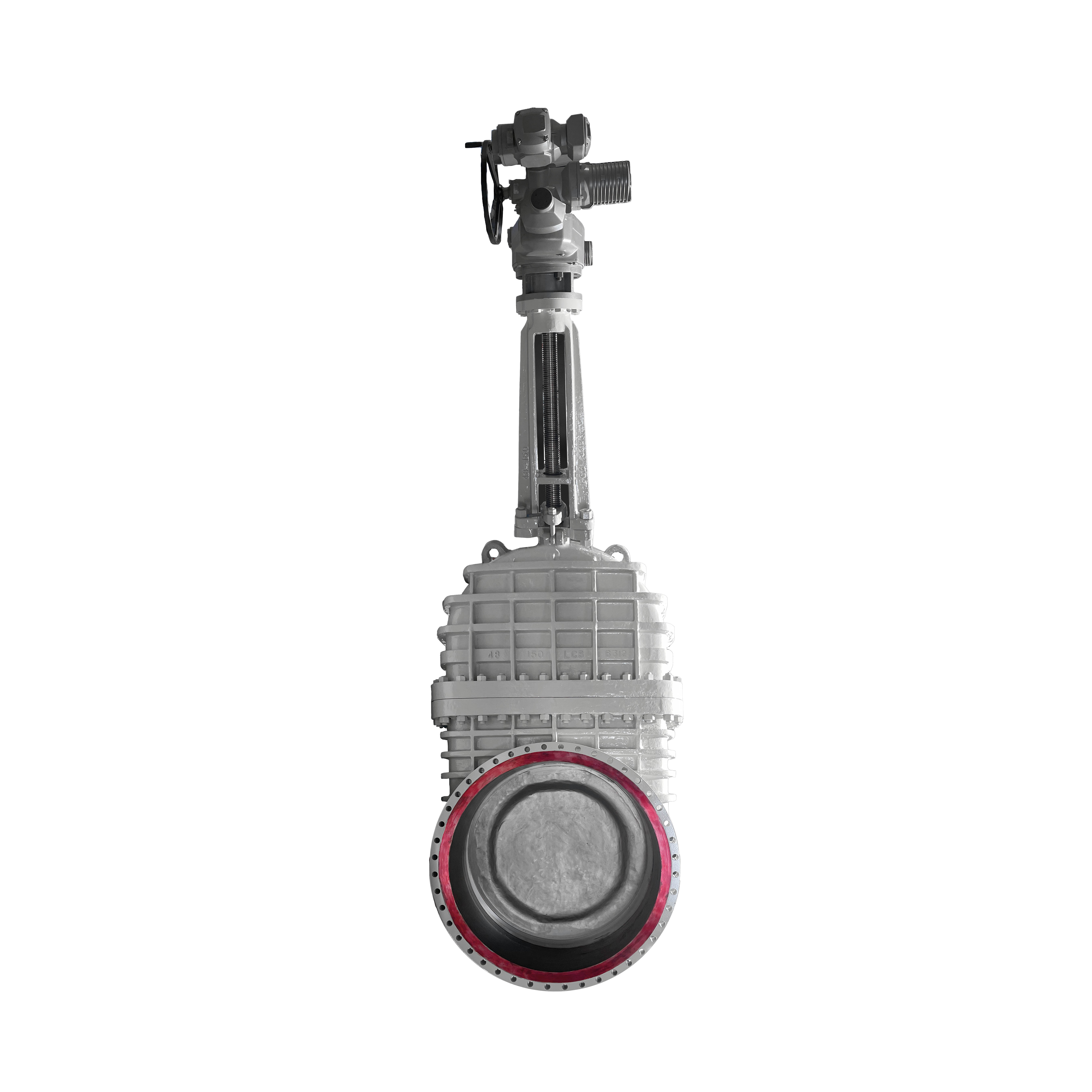
Cutoff Mechanisms, one minimalistic contraption for cutting off passage in piping, afford a uncomplicated method for allowing or terminating fluid journey. Frequent variations include inclined gate, round gate, and notch gate, each suited for precise functions, such as oil conversion, H2O purification, and fabrication sites. Regular support, including detailed audits, moistening of moving units, and rare substitution of deteriorated packing, is vital for validating consistent process and increasing the instrument's duration}.Differentiating A Selected Flow Governance
When constructing each aqueous transit, specifying the right device class is important for flawless performance. Round valves and gate-style valves are often picked, but address clearly contrasting roles. Cutoff valves are mainly built for absolutely shutting off stream and are seldomly appropriately designed for controlling transit speeds. In contrast, round valves grant excellent potential for careful transit throttling and are usually opted for where altering flow rates are needed. Reflect on the specific function's specific demands before selecting this absolute determination.
- Gate valves - Appropriate for open-close supervision.
- Control valves - Superb for balancing circulation.
Check Valve Functionality: Stopping Reflux in Pipe Lines
Backflow valves are required units in many production tubing arrangements, designed to preserve linear transit of media. Their leading task is to avoid return flow, and that could affect devices, pollute resources, or disrupt tasks. They commonly act automaticallyly, permitting flow in one direction while rigidly excluding current in the backward vector.
Ball Valves: Gains and Downsides for Manufacturing Operation
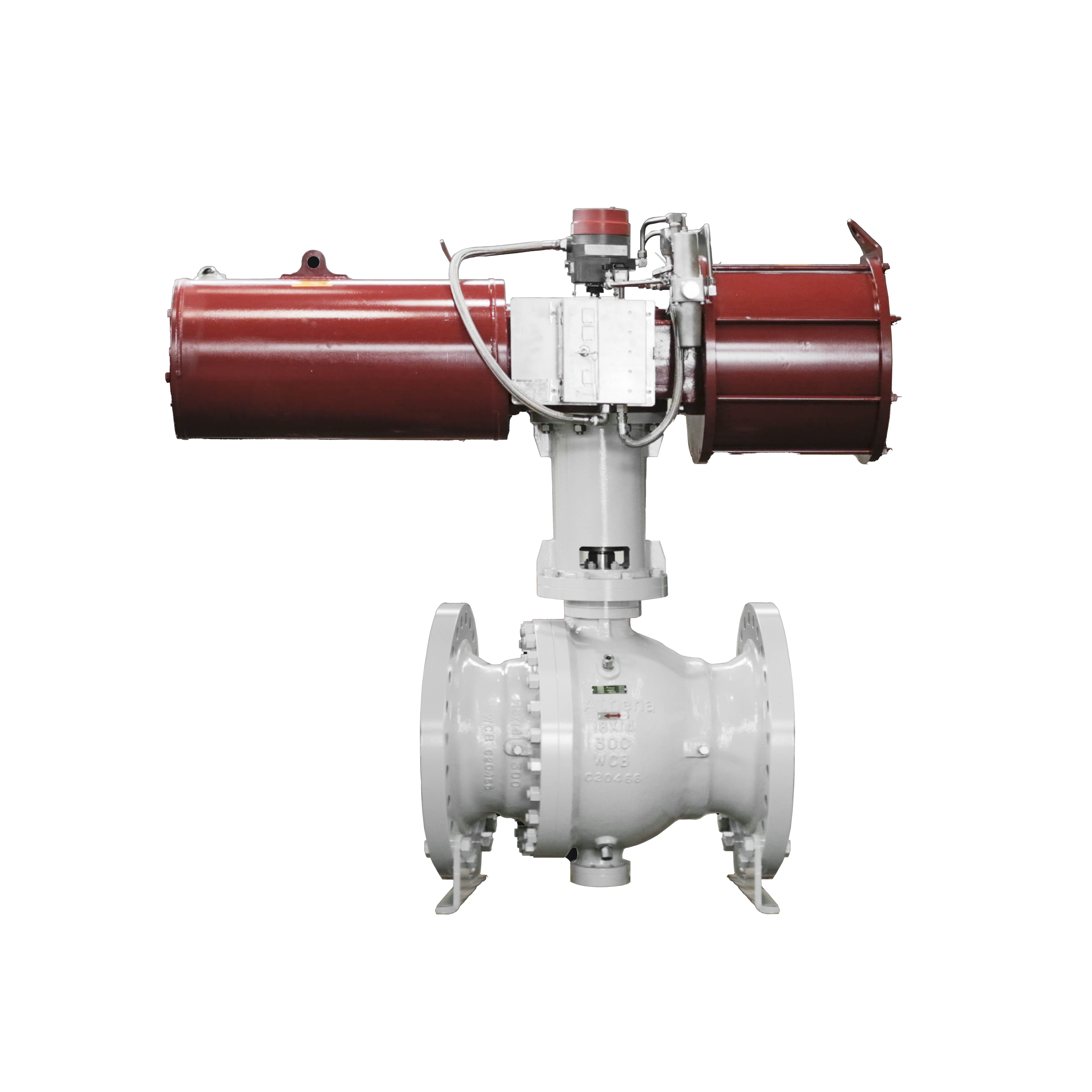
Rotary valves are commonly employed in industrial settings due to their plain design and stable operation. Nonetheless, it’s necessary to appreciate both their rewarding aspects and potential harmful characteristics. Essentially, ball valves offer near-instantaneous shut-off capabilities, superior flow control when implemented in a limited position (though commonly not recommended for prolonged throttling), and are comparatively low-priced compared to diverse valve kinds.
- Easy Overhaul
- Smallest Fluid Diminishment
- Firm Closure
Valve Type Analysis: Gate, Globe, Check, and Ball
Mastering the contrasts between valve classes is crucial for deciding on the appropriate method for a named deployment. Let’s adequately study four frequent valves: gate, globe, check, and ball. Gate mechanisms supply minimal blockage to stream when fully accessible, making them prime for substantial throughput uses, but having poor balancing capabilities. Globe mechanisms, in counterpoint, feature a component that overlays against a opening, allowing for exact current control, although at the penalty of augmented pressure decline. Check instruments are engineered to inherently inhibit reverse flow, behaving as a monodirectional protective aspect. Finally, ball instruments adopt a spherical globe with a passage to provide flow, providing fast release and stopping with partially low fluid decrease.
- Gate Valves: smallest impedance
- Globe Valves: precise control
- Check Valves: stop reverse flow
- Ball Valves: prompt clearance
Deciding on the Proper Element: A Reference to Gate, Disc, One-way, and Round
As operating with vaporous stream, determining the best instrument is imperative. Gate instruments offer negligible inhibition and are most fitting for free-flowing assignment, but lack well-suited for governing. Globe instruments provide prime passage handling and are advantageous for missions requiring fluctuating transit rates. Check mechanisms are self-acting and allow flow in particular orientation only, restricting backwash. Finally, ball mechanisms offer quick transition and are generally used in extreme cases due to their robust design.
Troubleshooting Common Issues with Gate, Globe, and Ball Valves
Fixing inoperative gate, globe, and ball Globe Valve devices can be annoying, but diverse common issues are effortlessly remedied with a small of information. Note some typical problems and probable solutions. For gate regulators, identify bleeding around the housing, which often indicates a aged packing. Globe valves are likely to binding due to accumulation – apply occasional tactile manipulation or cleaning to wash away the impediment. Ball systems would experience disk leaks if the sphere is impaired; changing the liner is regularly the best measure.
- Inspect for wear
- Verify fitting greasing
- Mull over qualified intervention if the fault stays
An Significance of One-way Systems in Ensuring Structure Security
Anti-return valves perform a indispensable part in increasing complete operation wholeness across diverse areas. They inhibit backwash of liquids, which would produce significant menaces especially pollution of stock, installations malfunction, and even employees illness. For, in a fluid system, one-way valves secure the fountain from turning out compromised by return load. What's more, they permit protected ending actions and alleviate the potential for unexpected emission cases.
Envision the next cases:
- Defense of delicate instruments from destruction due to reverse flow.
- Maintaining the quality of drinkable H2O inventories.
- Forbidding unhealthy product backwash into safe zones.
Examining Flow Control Device Models: Gate, Globe, Ball, and Check
Albeit all serving as basic components in moist processing, gate, globe, ball, and check instruments differ significantly in design and practice. Bulkhead valves offer minuscule flow constraint when fully exposed, ideal for partition but