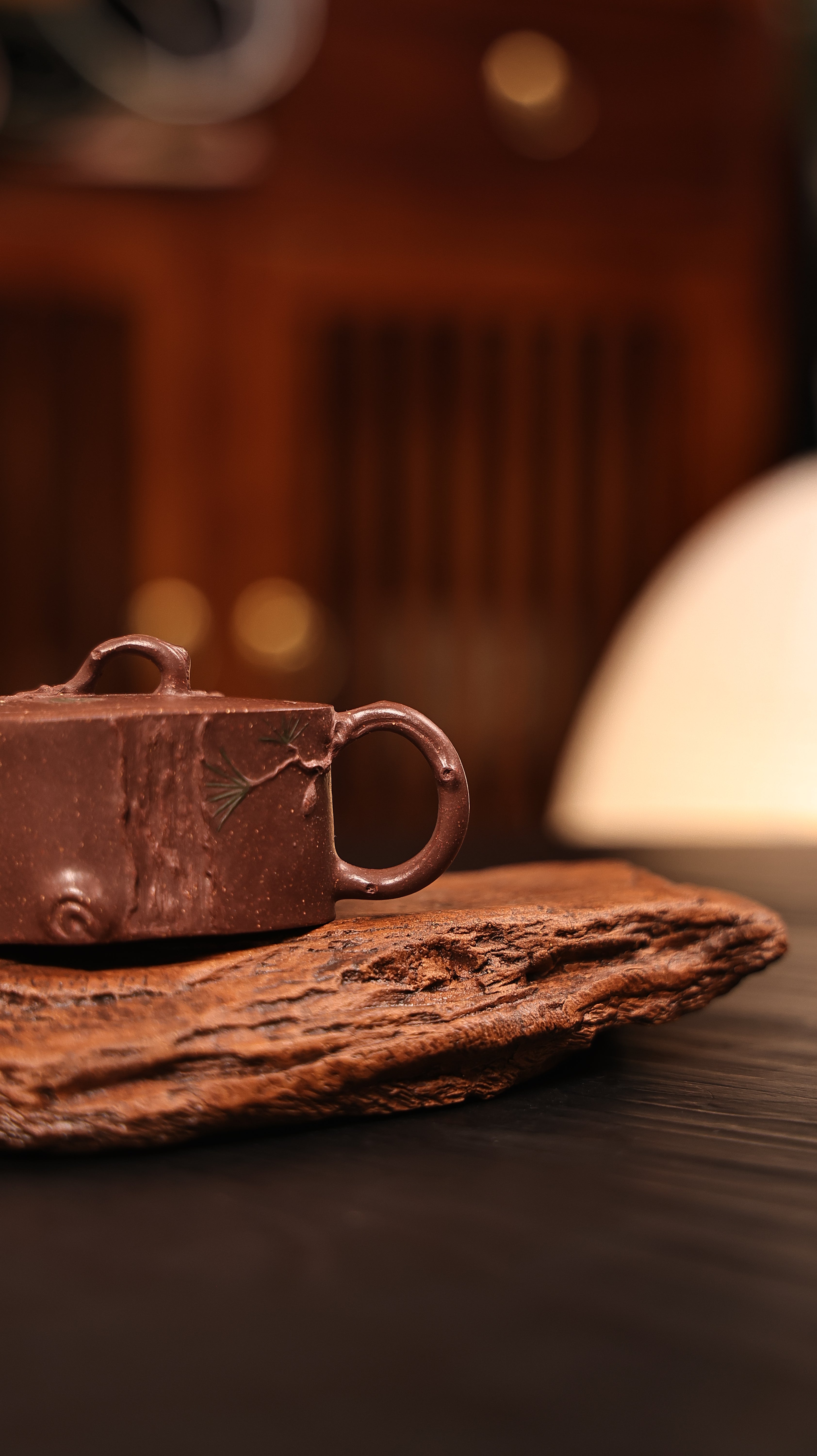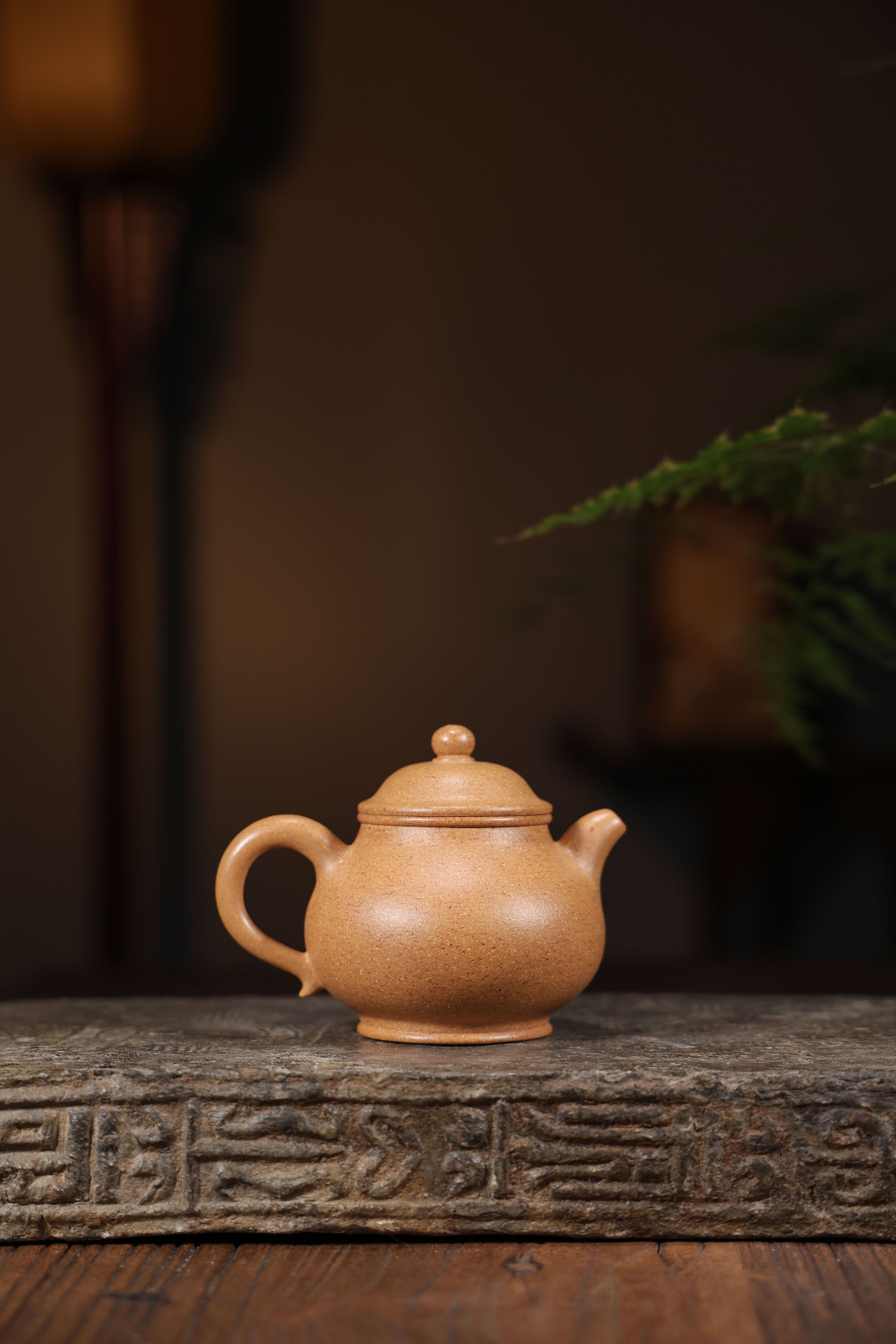
Commencing our comprehensive investigation about Yixing Zisha brewing containers offers one enchanting blend of craftsmanship together with performance.
Ising Tzu Sha earthenware pots carry unique incomparable magnetism regarding devotees on a global scale. Distinguished amazing clay vessels, originating from the original Yihsing locale inside Jiangsu administration, China, stand as more than just brewing instruments; they are recognized as works crafted beauty and cultural significance. The finely screened clay, known called Zisha, imparts a gentle flavor through the tea, and the complex designs, often embodying traditional Chinese motifs, improve their built-in value. Obtaining a genuine Yixing Zisha teapot presents a satisfying journey, requiring careful inspection and an grasp of the manifold factors influencing its uniqueness.
Exploring Yixing Tea Vessels
Yi-hsing brewing vessels boast a extensive legacy deeply interwoven with Chinese artistry. Originating in Yixing, Jiangsu province, these pitchers are crafted from a unique, porous purple terracotta found only in that designated location. Their development began during the Ming time, with master ceramicists refining the techniques over epochs. Several types exist, including the classic Hexiang (resembling crab shells), Zhuni (red-brown hue), and Duan Ni (stone-studded) – each with distinctive properties. The price of an Yixing tea container isn't solely based on its size or design, but also on the maker’s reputation, the earth's quality, and Yixing Teapot the pot’s age and condition. Connoisseurs often seek out older examples, believing they soak up the bouquet of the liquid brewed within them over time, further adding to their eminence.- Hexiang Ceramic Pots
- Earth-Toned Brewing Vessels
- Pebble-Embedded Tea Containers
Zisha Teapot Mastery: Technique & Techniques
An making of Zisha teapots represents a apex of Chinese ceramic technique. Experienced artisans employ classic techniques, often passed down through lineages, to unlock the full expression of this unique clay. Methods involve meticulous fashioning by hand, often combined with the twisting method, followed by precise glazing at incredibly potent temperatures in wood-fired kilns. Embellishing is equally crucial; craftsmen utilize authentic clay colors and may incorporate sculpting work to depict intricate scenes or patterns, demonstrating a profound insight of the material’s capabilities and voice. The outcome teapot isn't merely a vessel for tea, but a testament to a valuable cultural tradition.
Eastern Tea Containers: A Synopsis to Issing 紫砂
Unveiling the world of Ancient teapots often leads with Yixing Zisha. These singular clay brewing tools are crafted from a unique type of clay extracted only in the Yixing region of the Jiangsu locale province. Famous for its unique reddish-purple hue and exquisite attributes, Zisha clay injects a delicate flavor to the infusion and ripens with age, shaping into a cherished valued item. Collecting Yixing Zisha pots is more than just holding a exquisite object; it’s a dedication of practice and talent.
Investing in the Purple Clay: Realness & Increase
Exploring the domain of Yixing Zisha containers can be highly worthwhile, but entails a careful cognition. Validity is imperative; abundant reproductions manifest, generally ingeniously assembled. Educating yourself about traditional firing styles, peculiar substance properties, and the symbols of distinguished craftsmen is totally crucial. Moreover, understanding the finer distinctions of the progression course – influenced by reasons such as artistic importance and the condition of the component – is decisive to sound investing.
- Surveying curing development.
- Seeking experts for attestation.
- Evaluating sales dynamics.
That Discipline of Making with a Stoneware Container
A unique allure of a Zisha apparatus lies not just in its gorgeous appearance, but also in its notable impact on the flavor of the tisane. These historic clay pots, sourced from special regions of China, possess a original porosity that gently interacts with the substance and leaves, imbuing the brew with a elegant character. Mastering the practice requires a patient approach, understanding how the earth responds to diverse thermodynamics and plant types, ultimately leading to a truly rewarding consuming journey.
Nurturing One's Relic
Proper handling of your Yixing teapot is important to preserving its usefulness. These special teapots, crafted from uncommon Yixing clay, develop a texture over time that augments their value. Often rinse the internal space with fresh water, avoiding abrasive liquids, and never use coarse scrubbing tools. Supplementary gentle polishing with a silky cloth can assist in taking off patches. Allow your container to absolutely dry after each occasion
Explaining Purple: Aspects Given Vessels Signify Unique
The celebrated appeal of Yixing teapots emerges from the distinctive properties of Clay clay, harvested solely near Yixing, China. This outstanding clay, classified as ferruginous mineral , exhibits a distinctive combination of particles that, across the years, imbibe the essence of the drinks it incubates. This results in a singular aroma for each earthen vessel, delivering it a value far greater than its starting price and aiding to their admired status among specialists.
Finding the Ideal Eastern Pottery Piece: A Terracotta Reference
Venturing into the world of Yixing clay teapots can feel difficult, but understanding the roots is imperative to determining a treasured piece. Such clay, sourced mainly from the Yixing locale, Jiangsu territory, is distinguished for its peculiar structure and ability to refine the note of the liquid over long haul. Assess the profile, the cast, and the style; a legitimate Zisha teapot is more than just a urn; it's a decorative object and a signifier of eastern culture. Inspect the inscription of the maker for clues to its provenance and potential worth.