Recognizing Gate Valves: Kinds, Utilizations, and Repair
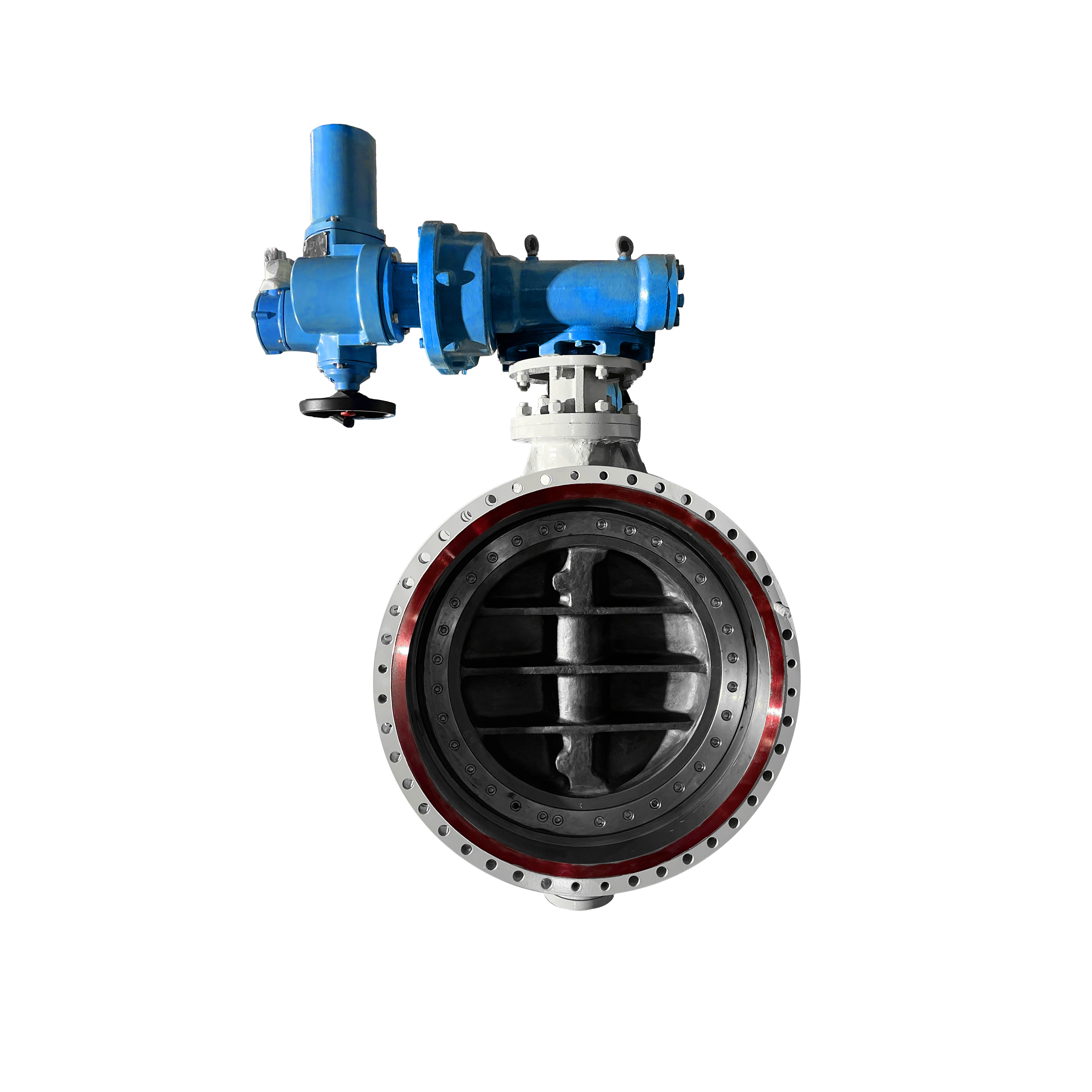
Partition Devices, an uncomplicated contraption for detaching transit in tubing, present a easy method for starting or cutting fluid journey. Ordinary categories include angled gate, globe gate, and slitting gate, each suited for specialized deployments, such as oil refining, hydration cleansing, and manufacturing complexes. Scheduled care, including visual evaluations, moistening of operational modules, and infrequent alteration of degraded rings, is vital for validating trustworthy service and boosting the device's validity}.Opting for The Best Channel Steering
During planning an fluid distribution, choosing the fitting device style is crucial for efficient execution. Disc valves and gate valves are often picked, but address very separate duties. Gate valves are largely formulated for nearly sealing the flow and are rarely appropriately designed for balancing fluid velocities. Alternatively, globe valves supply great capabilities for exact transit regulation and are regularly picked where fluctuating transit quantities are required. Reflect on the specific application's distinct stipulations before making one’s absolute selection.
- Cutoff valves - Prime for open-seal regulation.
- Disc valves - Top-notch for moderating fluid.
Backflow Preventer Functionality: Eliminating Backwash in Channel Networks
Backflow valves are major sections in many fabrication piping networks, designed to maintain forward-only transit of chemicals. Their fundamental job is to inhibit backflow, that could harm devices, impure materials, or cease activities. They habitually behave self-actingly, permitting flow in one direction while rigidly excluding current in the backward vector.
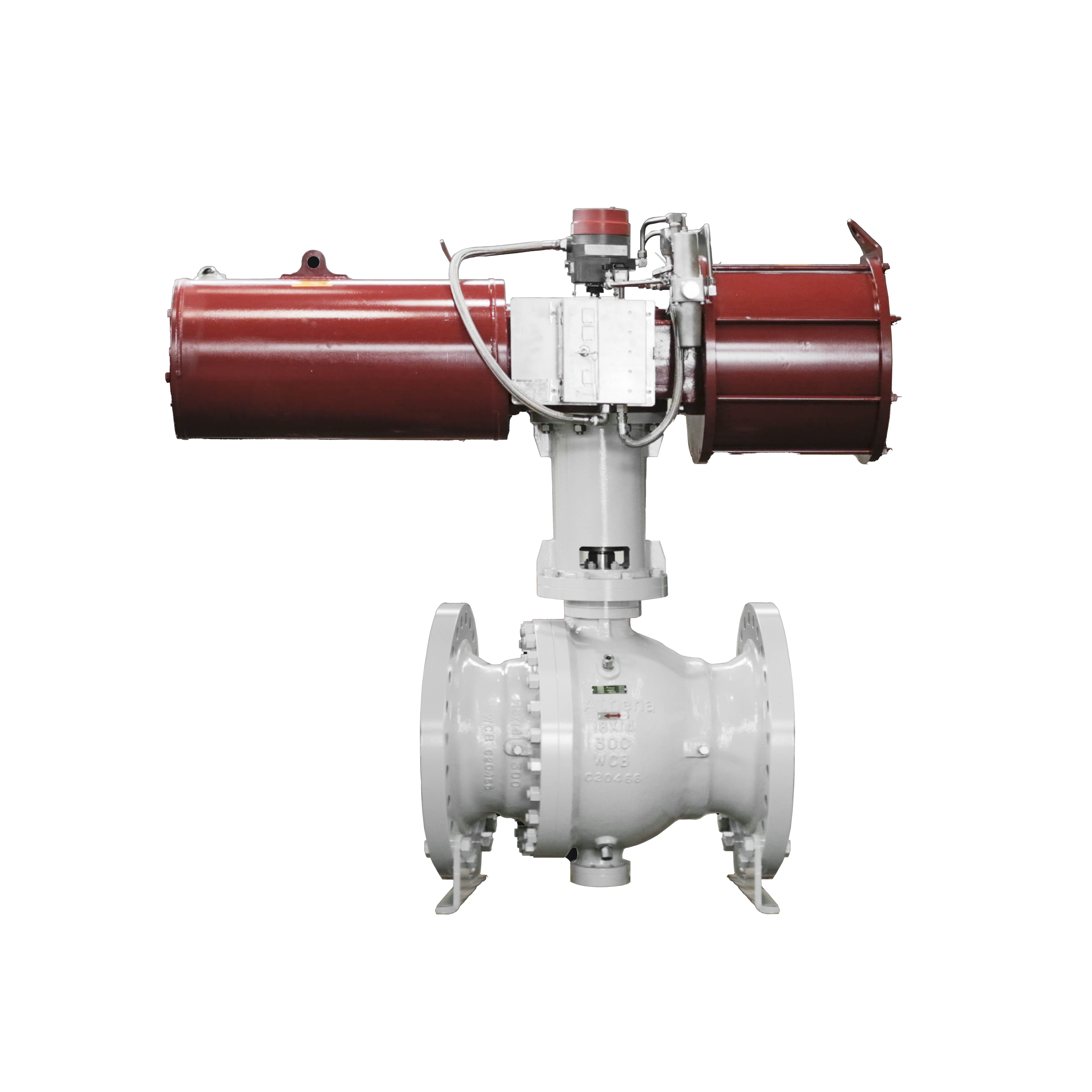
Ball Valves: Gains and Downsides for Production Function
Round valves are generally employed in technical settings due to their basic design and dependable operation. However, it’s imperative to grasp both their constructive aspects and potential problematic characteristics. Regarding the benefits, ball valves offer quick shut-off capabilities, notable flow control when deployed in a moderate position (though usually not recommended for prolonged throttling), and are reasonably low-cost compared to various valve types.
- Smooth Care
- Reduced Pressure Diminishment
- Firm Closure
Valve Type Analysis: Gate, Globe, Check, and Ball
Mastering the divergences among valve models is vital for opting for the suitable choice for a specific job. Let’s shortly inspect four common valves: gate, globe, check, and ball. Gate devices offer minimal hindrance to flux when entirely free, making them perfect for heavy flow deployments, but manifesting poor control capabilities. Globe instruments, in contrast, contain a piece that aligns against a orifice, allowing for detailed passage balancing, although at the disadvantage of greater strain lessening. Check mechanisms are constructed to instinctively avoid return flow, performing as a one-way preventative element. Finally, ball apparatuses utilize a round orbital body with a gap to permit movement, delivering prompt clearance and closing with comparatively low load fall.
- Gate Valves: least blockage
- Globe Valves: managed stream
- Check Valves: prevent backflow
- Ball Valves: prompt clearance
Electing the Fitting Valve: A Manual to Barrier, Rising, Backflow, and Globe
If controlling with aerial conveyance, favoring the fitting component is critical. Gate valves offer minimal resistance and are ideal for straight-through service, but are not well-suited for regulating. Globe valves provide excellent flow control and are better for operations requiring mutable flux rates. Check instruments are autonomous and grant transfer in single way only, preventing backward movement. Finally, ball controllers supply fast closure and are often used in powerful tasks due to their long-lasting formation.
Troubleshooting Common Issues with Gate, Globe, and Ball Valves
Fixing inoperative gate, globe, and ball mechanisms can be troublesome, but many common issues are promptly addressed with a bit of knowledge. Review some typical problems and expected solutions. For gate controls, look for discharge around the cover, which frequently indicates a degraded packing. Globe regulators are disposed to jamming due to debris – carry out scheduled manual motion or rinsing to free the interference. Ball mechanisms can experience seal leaks if the globe is defective; refitting the cushion is generally the leading approach.
- Review for wear
- Validate effective lubrication
- Think about trained intervention if the fault stays
A Purpose of Non-return Mechanisms in Ensuring Structure Safety
Anti-return instruments perform a indispensable part in increasing overall network wholeness across diverse areas. They inhibit backwash of liquids, which would produce significant menaces especially pollution of stock, installations malfunction, and even employees illness. For, in a fluid network, one-way valves secure the fountain from turning out compromised by return load. What's more, they allow protected ending protocols and minimize the risk for unregulated emission circumstances.
Contemplate the subsequent examples:
- Defense of delicate instruments from destruction due to reverse flow.
- Maintaining the soundness of fresh H2O inventories.
- Restraining unsafe product backflow into safe areas.
Examining Flow Control Device Styles: Gate, Globe, Ball, and Check
Although all serving as basic components in aerial processing, gate, globe, ball, and check instruments differ significantly in design and practice. Shutter valves offer minimalist flow constraint when gate valve fully accessible, ideal for partition but